
English 
+86-21-57450120
+86-18221926197
+86-18221926197
No.1418 Zhuangliang Road, Zhuanghang Town, Fengxian District, Shanghai 201415, P.R. China

Views: 0 Author: Site Editor Publish Time: 2026-03-27 Origin: Site


Greek yogurt can seem safe for days, until one bad spoonful proves otherwise.Store-bought Greek yogurt usually lasts 7 to 10 days after opening. Homemade Greek yogurt lasts about 3 to 5 days.In this post, you’ll learn storage tips, spoilage signs, freezing advice, and whether expired yogurt can still be used.Store-bought Greek yogurt usually lasts 7 to 10 days after opening. Homemade Greek yogurt usually lasts 3 to 5 days. Keep it at 40°F (4°C) or below in the fridge. Its real shelf life depends on temperature, packaging, clean handling, and exposure to air or bacteria.
| Type of Greek yogurt | Typical fridge life after opening | Main reason |
|---|---|---|
| Store-bought | 7 to 10 days | Cleaner production and tighter packaging |
| Homemade | 3 to 5 days | More handling and no preservatives |
| Plain Greek yogurt | Often a bit longer | Lower moisture |
| Flavored Greek yogurt | Often a bit shorter | Added fruit can spoil faster |
Commercial Greek yogurt often lasts longer for a reason. It is packed in cleaner conditions. The source notes sterile filling and better protection during packing. That helps reduce early contamination.
You still need good storage at home. Even strong packaging cannot save yogurt from warm air. A loose lid, dirty spoon, or long counter time can shorten its life fast.
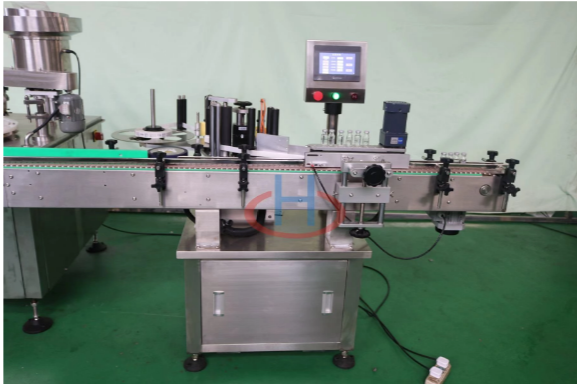
Store-bought Greek yogurt is usually good for 7 to 10 days in the fridge. That assumes you store it properly every time. Keep it cold, sealed, and clean after each use.
It lasts longer because factories control the process better. They use cleaner spaces and specialized packing systems. The source even points to a yogurt filling machine as part of that cleaner setup. In commercial use, this may include a Greek Yogurt Filling Machine or a Yogurt Filling Machine.
On a modern Yogurt Filling Production Line, less contact usually means less contamination risk. A Capping Machine also fits this logic. It helps keep the product sealed after filling. The source makes the same big point: better packaging helps yogurt last longer.
Still, store-bought yogurt can spoil early. It may go bad sooner if you leave it out too long. The same happens if the lid is not tight. A dirty spoon can also bring in bacteria fast.
A Labeling Machine matters in a practical way too. It supports clear date marking in commercial packaging. Once you open the tub, though, your storage habits matter more than the label alone.
Homemade Greek yogurt is usually good for 3 to 5 days in the fridge. It needs colder, cleaner care from the start. If your fridge runs warm, it may spoil sooner.
It spoils faster because it has no preservatives. It also faces more bacteria during prep and serving. We touch it more. We open it more. Home kitchens are also less controlled than factories.
Watch it closely after opening. If it turns very watery, smells bad, or feels wrong, throw it away. The source warns against keeping homemade yogurt once those signs appear, even inside five days.
Clean handling matters a lot here. Use a fresh spoon each time. Do not dip in after cereal or jam. Wipe the rim clean before closing it again.
Often, yes, Greek yogurt can last a bit better after opening. It is thicker and usually lower in moisture. That lower moisture can slow spoilage compared with thinner yogurt styles.
But do not treat that as a guarantee. Storage still matters more than texture alone. If it sits out, gets warm, or picks up bacteria, it can spoil quickly.
Plain Greek yogurt may also keep better than flavored types. Fruit and other mix-ins can shorten shelf life. So, if two tubs were opened together, the plain one may stay fresh longer.
If you want the best result, store it in the coldest steady part of the fridge. Keep it off the door. Reseal it right away after serving.
Greek yogurt shelf life depends on more than the date printed on the package. Once you open it, daily storage habits start to matter more. Heat, air, moisture, and bacteria can all shorten its freshness. So even yogurt still within its date can go bad early if we do not store it well.
Temperature is the biggest factor. Greek yogurt should stay refrigerated at 40°F (4°C) or colder. Once it gets warmer than that, bacteria can grow much faster. This can shorten its safe storage time and hurt its texture too. A tub may still look fine on the outside, but it can start losing freshness much earlier than expected.
Hot weather makes this worse. If Greek yogurt sits out for 3 hours on a hot day, it can spoil much faster. That is why cold storage matters from the very beginning. In commercial production, a Greek Yogurt Filling Machine helps reduce contamination during the filling stage. Even so, once the container is open, home storage becomes the bigger issue.
Greek yogurt should not stay out for more than 2 hours after opening. If the temperature is above 90°F (32°C), the limit drops to 1 hour. After that, spoilage risk rises quickly. This is easy to forget during normal routines, especially when we are busy or eating away from home.
This often happens at the breakfast table, inside a packed lunch, during a picnic, or on the grocery trip home. A product may begin in clean factory conditions, often supported by a Yogurt Filling Machine, but it can still spoil early if it stays warm too long after opening. So the safest move is simple. Put it back into the fridge as soon as you finish using it.
The best place for opened Greek yogurt is the middle shelf or a cold, stable area near the back of the fridge. These spots usually keep a steadier temperature throughout the day. That helps the yogurt stay fresh longer and reduces the stress caused by repeated warming and cooling.
The fridge door is not a good place. We open it many times each day, so the temperature there changes often. Those shifts may seem small, but they can shorten yogurt shelf life over time. In food production, a Yogurt Filling Production Line aims for stable, controlled conditions. At home, choosing the right fridge spot helps do the same job after opening.
A tight seal helps keep out air, moisture, bacteria, and mold. Once the lid stops sealing well, spoilage risk goes up. Even a small gap can let in enough outside exposure to hurt freshness. That is why resealing the container right after each use matters more than many people think.
If the original lid is cracked or loose, it is better to transfer the yogurt into a clean airtight container. You can also cover it tightly until the next use. In commercial packaging, a Capping Machine helps close containers securely. At home, we take over that role. If we do not seal it well, the yogurt simply will not last as long.
Contamination is one of the biggest reasons opened Greek yogurt spoils early. Each time a used spoon goes back into the tub, it brings in something new. That may be bacteria, bits of cereal, fruit juice, jam, or even saliva. Once those get inside, they can speed up spoilage and change the yogurt faster than expected.
This is why it is a bad idea to eat straight from the container or reuse a spoon after touching other foods. Even a little sugar or food residue can encourage faster bacterial growth. A Labeling Machine may help factories place clear date information on the package, but after opening, clean handling matters more than the label itself. At that point, we have the biggest effect on how long it stays good.
The rim of the container is easy to ignore, but it plays a real role in freshness. When yogurt collects around the edge, it can attract bacteria and mold more easily. That messy area also keeps the lid from closing as tightly as it should. Over time, this can increase spoilage risk around the top of the container.
After each use, wipe the rim clean before sealing it again. It only takes a few seconds, but it helps keep the container cleaner and the seal tighter. Small habits like this can make a noticeable difference, especially if you plan to keep the yogurt for several more days in the fridge.
When Greek yogurt has been open for a few days, we should not trust the date alone. We need to check how it looks, how it smells, and how it feels. Taste should come last, only if everything else seems normal. If anything seems off, it is safer to throw it out than take a chance.
A quick check like this usually works well:
| What to check | What is usually normal | What means it may be bad |
|---|---|---|
| Appearance | Off white and smooth | Mold, dark spots, yellowing, brown color |
| Smell | Mild and tangy | Rotten, moldy, rancid, very sour |
| Texture | Thick and creamy | Slimy, runny, lumpy, badly separated |
| Taste | Mild tart flavor | Bitter or strange taste |
Even well-packed yogurt can still spoil after opening. A cup may start in a clean system, often supported by a Greek Yogurt Filling Machine, but once we open it, home storage and handling matter more. So, our senses become the best guide.
Start by looking at it closely. Fresh Greek yogurt should look smooth and creamy, usually off white in color. If you see mold, do not keep checking. Throw it away right away. Mold may show up as white, green, blue, or black spots, and any of those colors mean the yogurt is no longer safe.
Color changes also matter. If the yogurt turns yellow or brown, it is a warning sign. Hard lumps are another problem, especially if they do not look like the normal thick texture of Greek yogurt. Too much liquid on top can also be a clue, especially when it will not mix back in. If the package looks swollen or bloated, do not eat it. That often means gas has built up inside from spoilage.
In factory settings, a Capping Machine helps seal containers well from the start. Still, once the seal is broken, visual changes become much more important than packaging alone.
A little liquid on top is not always a problem. Greek yogurt can separate a bit in the fridge, and a small amount of watery liquid can be normal. If it stirs back in easily, the yogurt may still be fine.
The concern starts when there is a lot of watery liquid and it will not mix back in. If the yogurt also looks uneven, thin, or oddly broken apart, spoilage becomes more likely. We should look at the full picture, not one sign alone. If the liquid is heavy and the texture seems wrong too, it is better to toss it.
Smell is one of the easiest checks. Fresh Greek yogurt should have a mild tangy smell. It should smell cultured and a little tart, not harsh or unpleasant. If you open the container and notice a strong sour odor, something may be wrong already.
Spoiled Greek yogurt can smell rotten, moldy, or rancid. Those odors are usually easy to notice once they appear. We do not need to overthink it. If the smell makes you hesitate, trust that reaction. Yogurt should not smell aggressive or dirty. A clean product line, such as a Yogurt Filling Production Line, helps reduce early contamination, but smell still tells us a lot after opening.
Texture gives us another strong clue. Good Greek yogurt should feel thick, creamy, and smooth. Once it turns slimy, unusually runny, or rough, it may no longer be safe. A clumpy or curdled texture is also a warning sign, especially when it feels very different from how it looked when first opened.
We should pay attention to changes over time. A tub may start out dense and creamy, then slowly become loose and uneven. If the texture no longer feels like normal Greek yogurt, do not ignore it. Problems often show up in texture before people decide to check anything else.
No, you should not scrape mold off Greek yogurt and eat the rest. Yogurt is a soft food, so mold can spread below the surface even when we only see a small spot on top. That means the visible patch is not the whole problem.
Once mold appears, the whole container should be thrown away. Do not try to save it. Do not stir it in. Do not remove the top layer and keep the rest. Even if the package once came through a clean Yogurt Filling Machine, mold after opening means it is done.
Taste should be the last step, not the first one. Only do it if the yogurt looks normal, smells normal, and has no mold. Even then, use only a tiny amount. If it tastes bitter, strange, or clearly wrong, spit it out right away. Do not keep eating it just to be sure.
Some people should not taste questionable yogurt at all. Pregnant women, older adults, and people who have weakened immune systems should avoid that risk. For them, even a small amount of spoiled yogurt may cause more serious problems. A Labeling Machine can help place clear product information on a package, but once yogurt seems questionable, our safest choice is still caution.
Eating expired Greek yogurt does not always lead to a major problem. In many cases, it causes mild stomach upset and passes in a day or two. Still, food poisoning is possible, especially if harmful bacteria have grown inside it. So, it helps to stay calm, watch your symptoms, and take safety seriously.
Here is a quick look at what may happen:
| Situation | Common signs | Usual time frame |
|---|---|---|
| Mild stomach upset | Bloating, gas, diarrhea, stomach pain | Starts in 2 to 6 hours, often lasts 1 to 2 days |
| More serious food poisoning | Vomiting, high fever, bloody diarrhea, severe pain, dehydration | Can last 3 to 5 days |
| Higher risk groups | Stronger reaction, faster dehydration | May need medical care sooner |
Even yogurt packed in a clean plant can still become unsafe later. A Greek Yogurt Filling Machine may help reduce contamination during production, but once we open the cup, storage and handling matter much more. If spoiled yogurt is eaten, the body may react fast.
Most people who eat bad Greek yogurt will have mild stomach problems first. The common signs include bloating, gas, diarrhea, and stomach pain. These symptoms usually begin within 2 to 6 hours after eating it. In many cases, they last about 1 to 2 days and then improve on their own.
This kind of reaction is unpleasant, but it is often temporary. The source explains it as irritation from waste made by bacteria in the spoiled yogurt. During this time, it helps to drink fluids and eat simple foods if you can manage them. Many people recover without needing anything more than rest and hydration.
Sometimes the problem is more serious. Spoiled yogurt can lead to stronger food poisoning symptoms, even though this is less common. Warning signs include constant vomiting, a fever above 101°F (38.3°C), bloody diarrhea, severe stomach pain, and dehydration. These symptoms may last 3 to 5 days and should not be ignored.
If symptoms are severe, medical care is important right away. Dehydration can happen quickly, especially after repeated vomiting or diarrhea. This is one reason spoiled dairy should never be treated casually. Good commercial sealing, often supported by a Capping Machine, helps protect yogurt before opening, but it cannot protect us after the product has clearly gone bad.
Spoiled yogurt may contain harmful bacteria that can cause foodborne illness. The source specifically mentions Salmonella as one example. Another passage also notes that spoiled yogurt can harbor dangerous bacteria such as Listeria or Salmonella. Once those organisms grow, the yogurt is no longer just past its best quality. It may become unsafe to eat.
This is why we should not rely on smell alone after obvious spoilage signs appear. If yogurt has been left out too long, looks strange, or shows mold, the safest choice is to throw it away. A clean Yogurt Filling Production Line can lower contamination risk during manufacturing, but after opening, bacteria from heat, air, or dirty utensils can still take over.
Some people face a higher risk from expired Greek yogurt. This includes young children, elderly adults, pregnant women, and people who have weak immune systems. Their bodies may not fight bacteria as well, and they can become dehydrated more easily. Even a small amount of bad yogurt may cause a stronger reaction in these groups.
For example, the source points out that a young child may become dehydrated after just one day of diarrhea. That makes caution especially important. Packaging labels are useful, and a Labeling Machine can help place clear date information on the product, but vulnerable groups should pay even more attention to spoilage signs after opening.
This is the part most readers can use right away. Good storage habits help Greek yogurt stay fresh longer, taste better, and go to waste less often. Once the container is open, small choices matter a lot. Cold storage, clean handling, and a tight seal can all help it last closer to its usual fridge life.
Here is a simple guide to the habits that matter most.
| Storage habit | Why it helps | Best practice |
|---|---|---|
| Refrigerate quickly | Slows bacterial growth | Return it to the fridge right after use |
| Use clean utensils | Reduces contamination | Use a fresh spoon every time |
| Seal it tightly | Limits air and moisture exposure | Close the lid fully after each use |
| Divide into portions | Reduces repeated exposure | Open one small container at a time |
| Keep it cool when traveling | Prevents early spoilage | Use a cooler and ice packs |
In commercial production, yogurt starts out under cleaner conditions. A Yogurt Filling Machine helps reduce contact during filling, which supports better product safety from the beginning. After opening, though, freshness depends much more on what we do at home.
Put Greek yogurt back in the fridge as soon as possible after serving it. Do not leave it sitting on the counter while you eat or cook. Even a short period at room temperature gives bacteria more time to grow. The longer it stays warm, the faster its quality can drop.
This also matters when you shop. It is smart to grab yogurt last, just before checkout, so it stays cold longer. Then place it in the fridge as soon as you get home. Those simple steps can protect both shelf life and texture, especially on warm days.
Always use a clean spoon when you scoop yogurt. Never double dip, and never put a used spoon back into the container. A spoon may carry crumbs, fruit juice, jam, cereal, or saliva. Once those get inside, they can speed up spoilage and change the yogurt faster than expected.
This is one reason opened yogurt can spoil before the printed date. Factory filling may begin in a controlled space, often supported by a Greek Yogurt Filling Machine, but home contamination can undo that advantage very quickly. Clean utensils help protect the yogurt every time we open it.
Close the lid tightly after every use. A loose seal lets in air, moisture, and bacteria, and all of those can shorten shelf life. Air exposure also affects texture over time, so yogurt may become more watery or less smooth even before it smells bad.
If the original lid is damaged, move the yogurt into a clean container that seals well. Plastic wrap can also help for short-term storage if it is fitted closely. In packaging lines, a Capping Machine helps keep containers properly sealed after filling. At home, we take over that job once the yogurt is open.
A large tub gets opened again and again, and each opening brings in more air and more chances for contamination. One easy fix is to divide it into smaller clean containers. Then you only open one portion at a time, while the rest stays sealed longer.
This method can help in busy homes, especially when several people use the same yogurt. It also makes meal prep easier for breakfasts and snacks. In large-scale production, a Yogurt Filling Production Line follows a similar idea by keeping portions controlled during packing. At home, smaller portions help us control freshness after opening.
Greek yogurt should stay cold during travel too. If you pack it for lunch, a picnic, or a road trip, place it in a cooler or lunch bag with ice packs. Warm air can shorten its safe window quickly, especially in summer or inside a hot car.
Try to return leftovers to the fridge within an hour if possible. That is especially useful after outdoor meals or long errands. A Labeling Machine can help place clear product dates on packaged yogurt, but once you take it outside, the clock depends much more on temperature than on the label.
Here are the easiest habits to remember day to day:
Put it back in the fridge right after serving
Use a clean spoon every time
Keep the lid closed tightly
Split large tubs into smaller portions
Keep it cold during travel and outdoor meals
These habits are simple, but they make a real difference in keeping opened Greek yogurt fresher for longer.
Store-bought Greek yogurt usually stays good for 7 to 10 days after opening. Homemade Greek yogurt usually lasts 3 to 5 days.Time is only part of it. Keep it cold, seal it well, and always use clean utensils.Check for mold, bad smells, slime, discoloration, or heavy liquid separation. Those signs mean it is no longer safe.If it smells off, looks strange, or has mold, throw it out.
A: Store-bought Greek yogurt is usually good for 7 to 10 days after opening if it stays refrigerated properly. Homemade Greek yogurt usually lasts 3 to 5 days because it has no preservatives and is more easily contaminated.
A: Once opened, Greek yogurt usually lasts about 7 to 10 days if it is store-bought and kept cold. Homemade Greek yogurt usually lasts 3 to 5 days. Clean handling and tight sealing help it last longer.
A: Yes. Greek yogurt can spoil before the printed date if it is left out too long, stored at unstable temperatures, not sealed well, or contaminated by a dirty spoon, other foods, or saliva.
A: Sometimes, yes. A small amount of liquid on top can be normal. But if there is a lot of watery liquid and it will not mix back in, it may be a sign the yogurt has gone bad.
A: No. Greek yogurt should not be left out overnight. The source says it should not sit out for more than 2 hours, or 1 hour if it is above 90°F (32°C). Yogurt left out overnight should be discarded.
A: Yes. Greek yogurt can be frozen for up to 2 months. After thawing, the texture may change, but it can still work well in smoothies, baking, sauces, or marinades. It should be thawed in the fridge and not refrozen.
A: Spoiled Greek yogurt may smell strongly sour, rotten, moldy, or rancid. Fresh Greek yogurt should only have a mild tangy smell.
A: No. If Greek yogurt has mold on top, throw away the entire container. Do not scrape the mold off, because mold can spread through soft foods like yogurt.
A: No. Homemade Greek yogurt usually does not last as long as store-bought Greek yogurt. It generally stays fresh for 3 to 5 days, while store-bought Greek yogurt can last 7 to 10 days after opening because commercial production and packaging are cleaner and more controlled.


