
English 
+86-21-57450120
+86-18221926197
+86-18221926197
No.1418 Zhuangliang Road, Zhuanghang Town, Fengxian District, Shanghai 201415, P.R. China

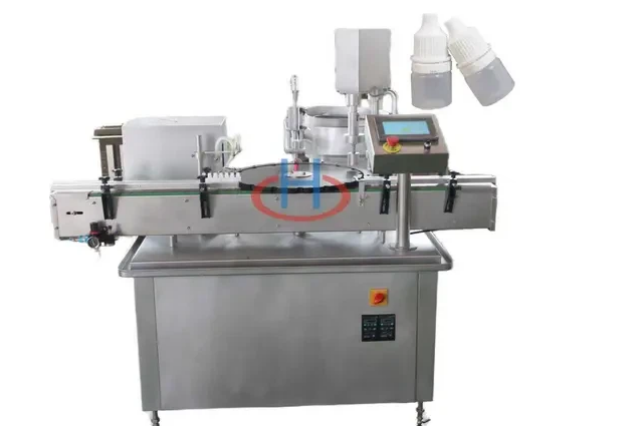
Have you ever opened a jar of honey and found that it looked thick, grainy, cloudy, or even hard? It can be surprising at first, and many people wonder if the honey has gone bad. The good news is that it usually has not.Crystallized honey is completely normal, and it is still safe to eat. In fact, this change often happens with real, raw, and less processed honey. Instead of being a sign of spoilage, crystallization is often a sign that your honey is natural.In this post, you’ll learn how to decrystallize honey safely and bring it back to a smooth, liquid form. We’ll also explain why honey crystallizes, the best methods to use, what mistakes to avoid, and how to slow crystallization in the future.
READ MORE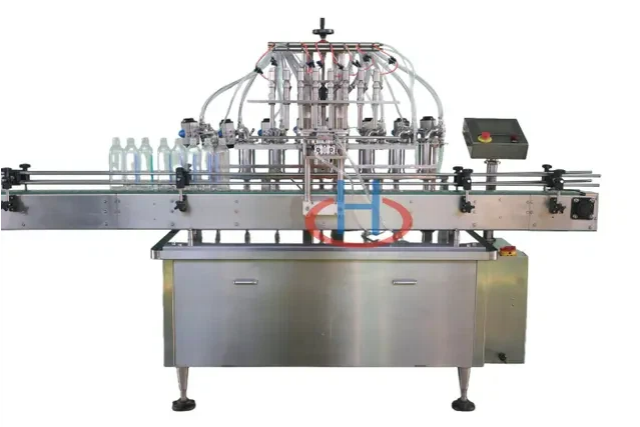
Selecting the right filling equipment is a pivotal decision for any oral liquid manufacturer. For small-volume products like 50ml doses, precision is not just a feature; it is the cornerstone of quality and profitability. The filling machine is the heart of your production line. Its performance directly impacts product stability, shelf life, regulatory compliance, and ultimately, your bottom line. In today's competitive pharmaceutical and nutraceutical markets, savvy producers are moving beyond simple "nominal capacity" figures. They now focus on "effective throughput"—the real-world output that accounts for changeovers, cleaning, and accuracy. This guide will walk you through the critical factors for choosing equipment that delivers both precision and a strong return on investment, ensuring your production line is efficient and compliant from day one.
READ MORE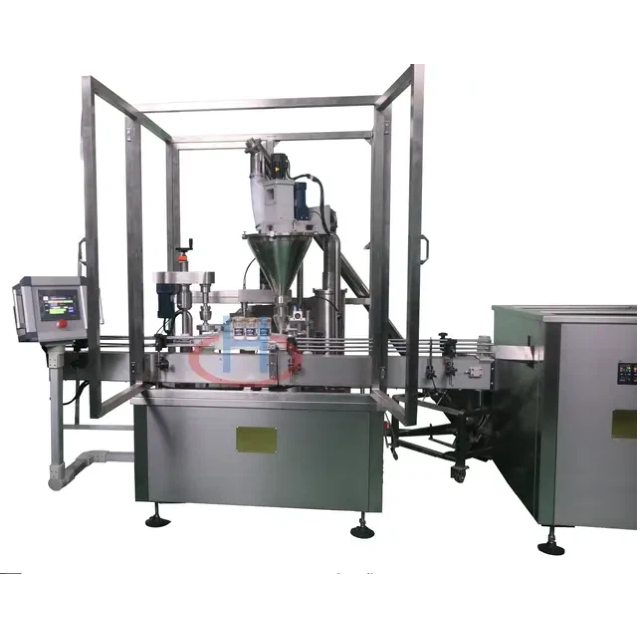
Greek yogurt can seem safe for days, until one bad spoonful proves otherwise.Store-bought Greek yogurt usually lasts 7 to 10 days after opening. Homemade Greek yogurt lasts about 3 to 5 days.In this post, you’ll learn storage tips, spoilage signs, freezing advice, and whether expired yogurt can still be used.Store-bought Greek yogurt usually lasts 7 to 10 days after opening. Homemade Greek yogurt usually lasts 3 to 5 days. Keep it at 40°F (4°C) or below in the fridge. Its real shelf life depends on temperature, packaging, clean handling, and exposure to air or bacteria.
READ MORE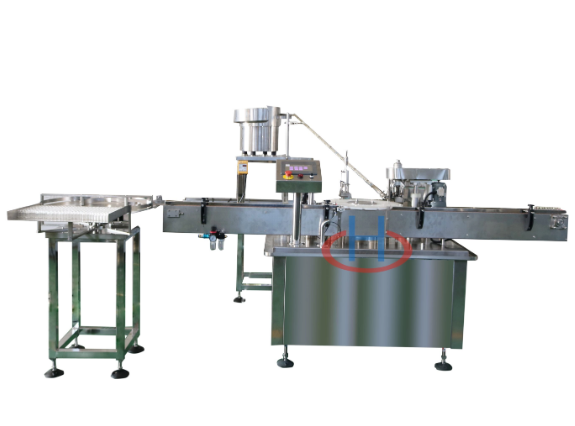
Filling small-volume parenteral (SVP) products presents a significant precision challenge. When working with 10ml vials, even a minuscule deviation in fill volume can lead to substantial product loss and regulatory scrutiny. This format remains a cornerstone in the pharmaceutical industry, widely used for vaccines, biologics, and high-value specialty drugs where every microliter counts. The market demands equipment that guarantees sterility, accuracy, and compliance. To make a sound investment, you must look beyond basic specifications. This guide explores the top 10 features of modern 10ml vial filling equipment, helping you identify the critical functions that directly impact production yield, product safety, and your long-term return on investment.
READ MORE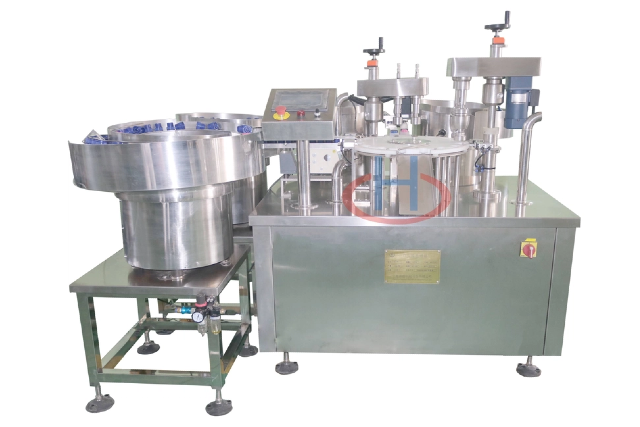
Think peanut butter lasts forever? It doesn’t—yes, peanut butter can go bad from oxidation, air, poor storage, or dirty utensils. In this post, you’ll learn the warning signs, shelf life, safety, storage tips, and how natural peanut butter differs from regular kinds.
READ MORE