
English 
+86-21-57450120
+86-18221926197
+86-18221926197
No.1418 Zhuangliang Road, Zhuanghang Town, Fengxian District, Shanghai 201415, P.R. China

Views: 0 Author: Site Editor Publish Time: 2026-01-23 Origin: Site


Picking the right liquid filling machine is important. It can help your production line work better. You should match the machine’s features to your product’s thickness, container size, and speed. Some machines have special parts like anti-drip nozzles. They also have adjustable filling speeds and FDA-approved materials. These features help keep things clean and accurate. Think about these points:
Using the right machine for thickness helps you fill better and waste less.
Gravity fillers are good for thin liquids. Piston and pump fillers work for thick products.
Fast machines can handle lots of products and still fill them correctly.
Pick the right liquid filling machine for your product’s thickness and container size. This helps you work faster and waste less.
Learn the difference between manual, semi-automatic, and automatic machines. This helps you choose what works best for your needs.
Look for features like anti-drip nozzles and adjustable filling speeds. These help you fill more accurately and keep your area clean.
Think about how much you need to make each day. Find a machine that matches your speed needs so you do not waste time or supplies.
Always ask for a demo to see the machine with your products before you buy it.
You need to know how thick your liquid is before picking a filling machine. Viscosity tells you if a liquid is thin or thick. Water is thin, so it has low viscosity. Honey is thick, so it has high viscosity. Water’s viscosity is about 1 to 5 centipoise. Honey’s viscosity can be as high as 3,000 centipoise. The type of machine you need depends on how thick your liquid is. Gravity fillers work well for thin liquids. Piston and pump fillers are better for thick liquids. Look at the table below to see which machines fit different thickness levels:
Filling Machine Type | Viscosity Range |
|---|---|
Diaphragm Fillers | 1–5,000 mPa·s |
Magnetic Pump Fillers | 1–500 mPa·s |
Piston Fillers | 100–10,000 mPa·s |
Rotor Pump Fillers | 10,000–300,000 mPa·s |
Peristaltic Pump Fillers | 1–2,000 mPa·s |
Gravity / Time-Pressure | 1–100 mPa·s |

Think about the containers you want to fill. Different shapes and sizes change what machine you need. Tall bottles may tip over, so you need guides. Large or odd-shaped containers might need special handling. The size of the opening matters too. Small openings need careful nozzle placement and slower filling. The container’s material, like glass or plastic, can change machine settings.
Odd shapes need special handling.
Tall bottles need stabilizers.
Small openings slow down filling.
Decide how much liquid goes in each container. This helps you choose a machine with the right capacity. Most industries want filling accuracy between ±0.25% and ±1%. Some machines can be accurate up to 99.9%. If you fill 10,000 bottles, small mistakes can waste a lot. New machines use flow meters and sensors to keep filling exact. This is important for food, cosmetics, and medicine. Keeping fill amounts the same makes customers happy and follows rules.
Tip: Always check your machine’s fill volume and capacity so it fits your production needs.
You need to know how many containers you want to fill each day. This number helps you pick the right machine for your production needs. Some machines fill hundreds of bottles per hour. Others fill thousands. If you run a small business, you may need a machine that fills fewer bottles but gives you more control. Large factories often choose machines that fill fast and keep up with high demand.
You should look at your schedule. Do you fill bottles all day, or only during certain hours? Your answer will guide your choice. Fast machines help you reach your goals quickly. Slow machines may work for special products or small batches. Always match your machine to your production needs so you do not waste time or money.
Tip: Write down your daily and weekly output goals. This step makes it easier to compare machines and find the best fit.
You can choose between batch filling and continuous filling. Batch filling means you fill a set number of containers, then stop to clean or change products. Continuous filling keeps the line moving without stopping. Each method has benefits and drawbacks.
Here is a table that shows how batch and continuous filling compare:
Aspect | Batch Process | Continuous Process |
|---|---|---|
Efficiency | Lower efficiency per unit due to stop-start cycles and manual tasks. | High throughput and energy efficiency once running at scale. |
Equipment Cost | Lower upfront costs but may require more labor and equipment for scaling. | High initial investment in custom or specialized systems. |
Downtime Frequency | Higher, due to cleaning, changeovers, and batch sequencing. | Lower; designed for non-stop operation with minimal interruptions. |
Batch filling works well for small runs or when you need to switch products often. You may spend more time cleaning and setting up. Continuous filling gives you better efficiency and less downtime. This method suits large factories with steady demand. You should think about your production needs before you decide. If you want high efficiency and less downtime, continuous filling may be the best choice.

When you search for a liquid filling machine, you will see many kinds. Each kind is best for certain jobs and business sizes. Knowing about the main types helps you pick the right one for your work.
Manual machines let you control the filling by hand. You use your hands to run these machines. They are good for small batches and handmade products. You can try new recipes or fill special containers with them. Manual liquid filling machines need more work from people, but they cost less and fit in small places.
Tip: Manual machines are great for small businesses or new companies that want to save money and stay flexible.
A semi-automatic machine is between manual and automatic. You start the filling, and the machine does the rest. This type of liquid filling machine is good for small batches and products made at certain times of year. It works faster than manual machines, but you still need someone to help each time. Semi-automatic filling machines are small and fit in tight spaces.
You can change settings for different products.
These machines help you make more products without spending a lot.
Automatic filling machines work with little help from people. You set up the machine, and it fills many containers every hour. These machines use smart parts and belts to move containers. Automatic liquid filling machines are best for big factories and lots of products. You need more room for this filling machinery, but you do not need as many workers.
Feature | Manual Filling Machines | Semi-Automatic Filling Machines | Automatic Filling Machines |
|---|---|---|---|
Automation Level | Full operator control | Operator starts, machine fills | Fully automated |
Output Capacity | Low | Moderate | High |
Initial Investment | Low | Moderate | High |
Labor Requirements | High | Moderate | Low |
Flexibility | High | Moderate | Low |
Space Requirements | Compact | Compact | Large |
Common Applications | Small-scale | Startups, small batches | Large factories |
Some liquid fillers are made for special jobs. You may need a machine for eye drops, thick creams, or strong chemicals. Specialty models work with special containers or products. These machines often have custom nozzles, better flow control, or extra safety parts. You can find specialty liquid filling machines for things like medicine, makeup, and chemicals.
Note: Specialty models help you fix special problems and follow strict rules in your industry.
You want your production line to run smoothly. The first step is to match the right liquid filling machine to your product. Each product has its own needs. Thin liquids like water or oil move fast and do not clog machines. Thick products like honey or lotion need more power to fill containers. If you use the wrong machine, you may see spills, slowdowns, or wasted product.
Here is a table that shows how different machines fit different products and the benefits you get:
Filling Machine Type | Best Suited For | Benefits |
|---|---|---|
Gravity Fillers | Thin liquids (e.g., water, oil) | Efficient handling, minimizes spills |
Pump Fillers | Thin liquids (e.g., water, oil) | Prevents overfills, ensures accuracy |
Piston Fillers | Thick or chunky liquids | Handles heavy viscosity, prevents clogging |
You can see that gravity fillers work well for thin liquids. They keep your line clean and fast. Pump fillers also handle thin liquids but give you more control. Piston fillers are strong. They move thick or chunky products without getting stuck. When you match the right liquid filling machine to your product, you get better results. You fill containers faster and waste less.
Tip: Always check your product’s thickness before you choose a machine. This step helps you avoid problems and keeps your production line running.
You will find many types of liquid filling machines. Each one fits certain applications. Some machines work best for thin, free-flowing products. Others handle thick or chunky items. You need to know your product and your industry’s needs.
Here are some common solutions for different applications:
Gravity fillers work best for free-flowing, lower viscosity products. These machines fill bottles with water, juice, or cleaning solutions.
Overflow fillers also suit free-flowing liquids. They fill every bottle to the same level. This feature is important for products that must look the same on the shelf.
Piston fillers are ideal for thicker liquids. They can handle products with small pieces, like sauces or lotions with beads.
Pump fillers give extra push for higher viscosity liquids. They help you fill containers with honey, gels, or creams.
You should think about your industry’s best applications. Beverage companies use gravity fillers for water and juice. Cosmetic brands choose piston fillers for creams and lotions. Chemical plants often pick pump fillers for thick or sticky products. If you make medicine, you may need a semi-automatic machine for small batches or special bottles.
The best applications for each machine depend on your product’s thickness, the size of your containers, and your production speed. You can ask your supplier for advice. They know which liquid filling machine fits your needs. When you pick the right solution, you save time and money. Your products look better and meet industry rules.
Note: Always match your machine to your product and your industry’s best applications. This step gives you the best results and keeps your customers happy.
When you pick liquid filling equipment, look for features that help you work better. These features make your fills more accurate, safer, and faster. The Haochao liquid filling machine has smart options. These options help you follow rules and make more products.
Anti-drip nozzles keep your workspace neat and safe. They stop liquid from dripping after each fill. This helps you avoid spills that can cause slips. It also keeps conveyors and machines clean. Wasting product can cost a lot when you fill many bottles. Anti-drip nozzles help you save money and keep your brand looking good.
Benefit | Description |
|---|---|
Eliminate Product Waste | Stops drips and splashes, so you lose less product. |
Reduce Cleanup Costs | Less cleaning means you can focus on filling. |
Enhance Brand Image | Clean bottles look better to customers. |
Tip: Clean nozzles help labels stick well and make products look nice.
Adjustable filling speeds let you control how fast you fill. You can change the speed for different products or containers. Quick-change parts and servo controls help you switch fast. This makes it easy to fill many kinds of products. You spend less time changing settings and more time working.
Fill thick creams slowly to be exact.
Fill thin liquids quickly to make more bottles.
Switch between products with little waiting.
Note: Adjustable speeds help you reach your daily goals and keep up with changes.
Flow control technology helps your machine fill each container just right. Sensors and controls measure every fill. You get the same amount in every bottle. This stops waste and keeps your work steady. You avoid putting too much or too little in each container.
Flow meters watch every drop.
Smart controls change filling for each product.
Even fills make customers happy.
FDA-approved materials keep your products safe and follow strict rules. The FDA checks machines used for food and drugs. You need machines made from stainless steel that does not react. All parts that touch your product must be easy to clean. Regular checks keep your machine working well.
The FDA checks equipment for safety and quality.
Machines use stainless steel for food and drugs.
All parts must be cleaned to stop germs.
Machines must give the right amount each time.
Easy cleaning helps stop contamination.
Checks show machines meet FDA rules.
You must keep records of cleaning and fixing.
Data from machines must be correct and safe.
Regular care and training help you follow the rules.
Tip: FDA-approved materials keep your customers safe and help you follow the law.
Liquid filling equipment with these features helps many industries. Beverage companies need clean bottles and fast filling. Drug makers need exact fills and FDA approval. Cosmetic brands want smooth filling and neat packages. Chemical plants need good flow control and easy cleaning.
Food and beverage: Clean bottles, fast filling, safe materials.
Pharmaceuticals: Exact fills, clean machines, good records.
Cosmetics: Change speeds, neat bottles, easy switches.
Chemicals: Good flow control, safe parts, less waste.
You can trust liquid filling equipment with smart features. These features help you work better, protect your brand, and follow industry rules.
Taking care of your liquid filling machine is important. You want it to last a long time and work well. Good maintenance helps you avoid problems and keeps your line running.
CIP and SIP features make cleaning much easier. The Haochao liquid filling machine uses these systems for cleaning and sterilizing. You do not have to take the machine apart each time. This saves time and lets you start the next batch faster. The table below shows how these features help with maintenance:
Description | Impact on Maintenance Efficiency |
|---|---|
Automates cleaning and sterilization processes | Reduces downtime and enhances efficiency |
Compresses non-productive time between batches | Allows for quicker transitions to production-ready state |
Drives turbulent flow for effective cleaning | Ensures consistent sanitation and reliability |
Records parameters electronically | Demonstrates control and compliance with standards |
CIP/SIP makes sure your machine gets cleaned every time. This is very important for food, drink, and medicine companies.
You should check your machine often to keep it working. Regular checks help you find problems early. Here are some tips for routine maintenance:
Every day: Look for leaks, clean nozzles, check moving parts, and make sure it is set right.
Every week: Check conveyor belts, look at wires, clean filters, and check for worn parts.
Every month: Check pumps, tighten bolts, look at oil systems, and test emergency stops.
Every year: Change old parts, test settings, update software, and train workers.
These steps help you stop big repairs before they happen. Doing this also helps your machine last longer. Always write down what you do for maintenance.
You must keep things clean and safe, especially for food and medicine. Use the right materials and keep your area tidy. Follow these steps for safety and hygiene:
Use stainless steel for all parts that touch products.
Clean the outside and area around the machine often.
Use special equipment for products with allergens and clean well between uses.
Use trays and guards to catch spills.
Put in HEPA filters to keep air clean.
Use clean water for washing.
Teach workers how to use the machine safely.
Put guards around moving parts.
Make sure there are emergency stop buttons.
Follow all safety rules for your industry.
These steps keep your products and workers safe. Maintenance and cleaning help your whole business, not just the machine.
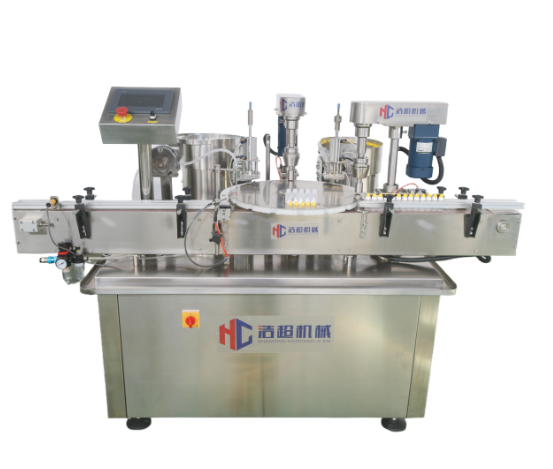
Modern liquid filling machines have smart control systems. These systems make your job easier and more exact. You can set the machine for different products fast. You do not need to stop for a long time. This saves time and keeps your line moving. Here are some ways control systems help with automation:
Automatic Changeovers: You can switch products quickly. The machine remembers each product’s settings. You do not waste time fixing things.
Level Control Systems: Sensors check how much is in each container. This keeps every bottle filled to the right level. It works even with hard-to-fill liquids.
Data Integration: The machine collects data as it works. You can see how things are going. You can make changes to keep quality high.
These features give you more control and less guessing. You can trust the machine to fill each container right every time.
When you add a liquid filling machine, you must think about some important things. Each step helps you get good results and avoid problems. The table below shows what to think about and why it matters:
Key Consideration | Description |
|---|---|
Assessing Product Specifications | Know what kind of liquid you fill, like how thick it is or if it has chemicals. |
Identifying Production Output Needs | Think about how many bottles you want to fill now and later. |
Infrastructure Readiness | Make sure you have enough space and the right power for the new machine. |
System Compatibility and Synchronization | Check if the new machine works with your other equipment. Make sure it matches conveyor speeds. |
Optimizing Workflow and Efficiency | Use automation to keep things running well. Plan for quick fixes if something breaks. |
Regulatory and Safety Compliance | Follow all safety rules and industry standards. This keeps workers and products safe. |
Testing and Commissioning | Test the machine before using it all the time. Make sure everything works right. |
Ongoing Monitoring and Optimization | Use the machine’s data to keep making your process better. |
Tip: Good planning and smart setup help you get the most from your liquid filling machine. You can work faster and keep your line safe and steady.
Picking a liquid filling machine manufacturer with good support helps you. You want a company that helps set up your machine and keeps it working. Good support saves you both time and money.
When you buy a machine, you need help to start. A good manufacturer will help install the machine and teach your team. You learn how to use the controls and change settings. You also learn how to keep the machine clean. Many top companies give you:
Skilled workers to set up your machine at your place
Training for your team to use the machine
Tips to keep your machine working well
Help to fix problems fast
Support when you add new products or upgrades
You get clear steps and answers to your questions. This help stops mistakes and keeps your line moving.
Warranty is important when picking a manufacturer. A good warranty protects you from surprise costs. The company will fix problems and change broken parts. Getting spare parts fast is also important. You do not want your machine to stop for a long time.
Trusted manufacturers give strong warranties and quick spare parts. This means less waiting and lower repair costs. You spend less money fixing things and do not wait long for parts. When you plan your budget, think about the warranty and spare parts. These things help your machine keep running and protect your money.
A trusted manufacturer gives you peace of mind. You get help, training, and fast service when you need it. Your work stays on track, and you can grow your business.
When you plan to buy a liquid filling machine, you should look at both the price you pay at first and the money you spend over time. The upfront cost depends on the type of machine you choose. Here is a table that shows the usual price ranges:
Automation Tier | Typical Price Range (USD) |
|---|---|
Manual | $100–$500 |
Semi‑Automatic | $600–$5,000 |
Fully Automatic | $10,000–$100,000+ |
Manual machines cost less at the start. Automatic machines cost more but can fill many bottles quickly. Over ten years, you may spend about 60% of your total costs on things like labor, repairs, and running the machine. If you choose an automatic machine, you pay more at first, but you save money later because you need fewer workers and you can make more products. This can help your business grow and make more profit.
Tip: Think about how much you will spend each year, not just the first payment.
You do not always need to pay the full price right away. Many companies offer ways to help you buy a machine. Here are some common financing options:
Financing Option | Description |
|---|---|
Equipment Loans | You own the machine after you finish paying. Good for long-term use. |
Operating Lease | You use the machine for a set time. You can upgrade or return it later. |
Capital Lease (Lease-to-Own) | You pay monthly and own the machine at the end. |
Deferred Payment Plans | You start paying after the machine is working and making money. |
Vendor Financing | The seller gives you a payment plan with flexible terms. |
Sale-Leaseback | You sell your old machine to a lender and lease it back, so you get cash but keep using it. |
These options let you spread out payments and keep more cash for other needs. You can pick the plan that fits your business best. Always ask your supplier about payment choices before you decide.
Picking the best liquid filling machine takes some careful thinking. You want a machine that helps your business and fits your needs. Here are some simple ways to make a good choice.
Ask the supplier to show you a live demo before you buy. Watching the machine work helps you see how it fills your product and containers. You can check if the speed is right for your work. You also see if it is easy to change settings or clean. When you watch a demo, look for these things:
How well the machine fills different containers
How fast and accurate each fill is
The controls and PLC program
If the machine fits in your workspace
How much help the manufacturer gives you
Tip: Bring your own product and containers to the demo. This way, you see how the machine works with your real items.
You will get offers from different suppliers. Use clear rules to compare them. Look at things like how thick your product is and if it needs special care. Check what kinds of containers you use. Think about how many products you want to fill now and later. Make sure the machine is clean and follows the rules. Use this checklist:
Product details: Thickness, foaming, temperature needs
Container types: Materials, sizes, neck shapes
Production needs: How much you fill, batch size, future plans
Rules: Cleanliness and paperwork
Integration: If it works with other machines
Space: Room, cleanliness, ceiling height
Automation: How much people need to help, fixing problems
Timeline: When it ships and gets set up
A table helps you see which supplier is best:
Criteria | Supplier A | Supplier B | Supplier C |
|---|---|---|---|
Product Fit | ✔️ | ✔️ | ❓ |
Output Capacity | ✔️ | ❓ | ✔️ |
Compliance | ✔️ | ✔️ | ✔️ |
Integration | ❓ | ✔️ | ✔️ |
Support | ✔️ | ✔️ | ❓ |
Ask each supplier for references. Talk to other people who use the same machine. Find out if the machine works well for a long time. Ask about support, spare parts, and training. Good references show you real results and help you stay away from problems.
Note: Good suppliers have happy customers who like to share their stories.
If you follow these steps, you will make a smart choice. You will get a machine that fits your product, meets your needs, and helps your business grow.
You can find the right liquid filling machine by following easy steps. First, figure out how many bottles you need to fill each day. Next, look at what liquids and containers you use. Choose a machine that fills at the speed you want and is accurate. Think about support for the future. Good customer service and quick spare parts help you fix problems fast. Make a checklist to compare different machines. You can ask trusted companies like Haochao for advice and to show you how the machine works.
You should check your liquid’s thickness and container type. Match the machine to your production speed. Ask for a demo to see how it works with your product.
Manual machines need your hands for every fill. Semi-automatic machines help you fill faster but still need some help. Automatic machines fill many containers with little help from you.
Anti-drip nozzles stop spills and keep your workspace clean. You save product and spend less time cleaning. Your bottles look better for customers.
You should clean your machine every day. Use CIP/SIP features if your machine has them. Regular cleaning keeps your products safe and your machine working well.
Some machines let you change settings for different liquids. You must check if the machine fits your product’s thickness and container size. Ask your supplier for advice.


