
English 
+86-21-57450120
+86-18221926197
+86-18221926197
No.1418 Zhuangliang Road, Zhuanghang Town, Fengxian District, Shanghai 201415, P.R. China

Views: 0 Author: Site Editor Publish Time: 2025-09-15 Origin: Site


Choosing the right labeling machine is a critical decision for any business involved in packaging. The efficiency and accuracy of your labeling process can significantly impact your production line's overall productivity and cost-effectiveness. In this article, we will explore the various factors to consider when selecting a labeling machine, providing insights into the types of machines available, their applications, and the benefits they offer. For businesses looking to enhance their packaging operations, understanding the nuances of labeling machines is essential. For more detailed information on the types of labeling machines, you can explore our labeling machine section.
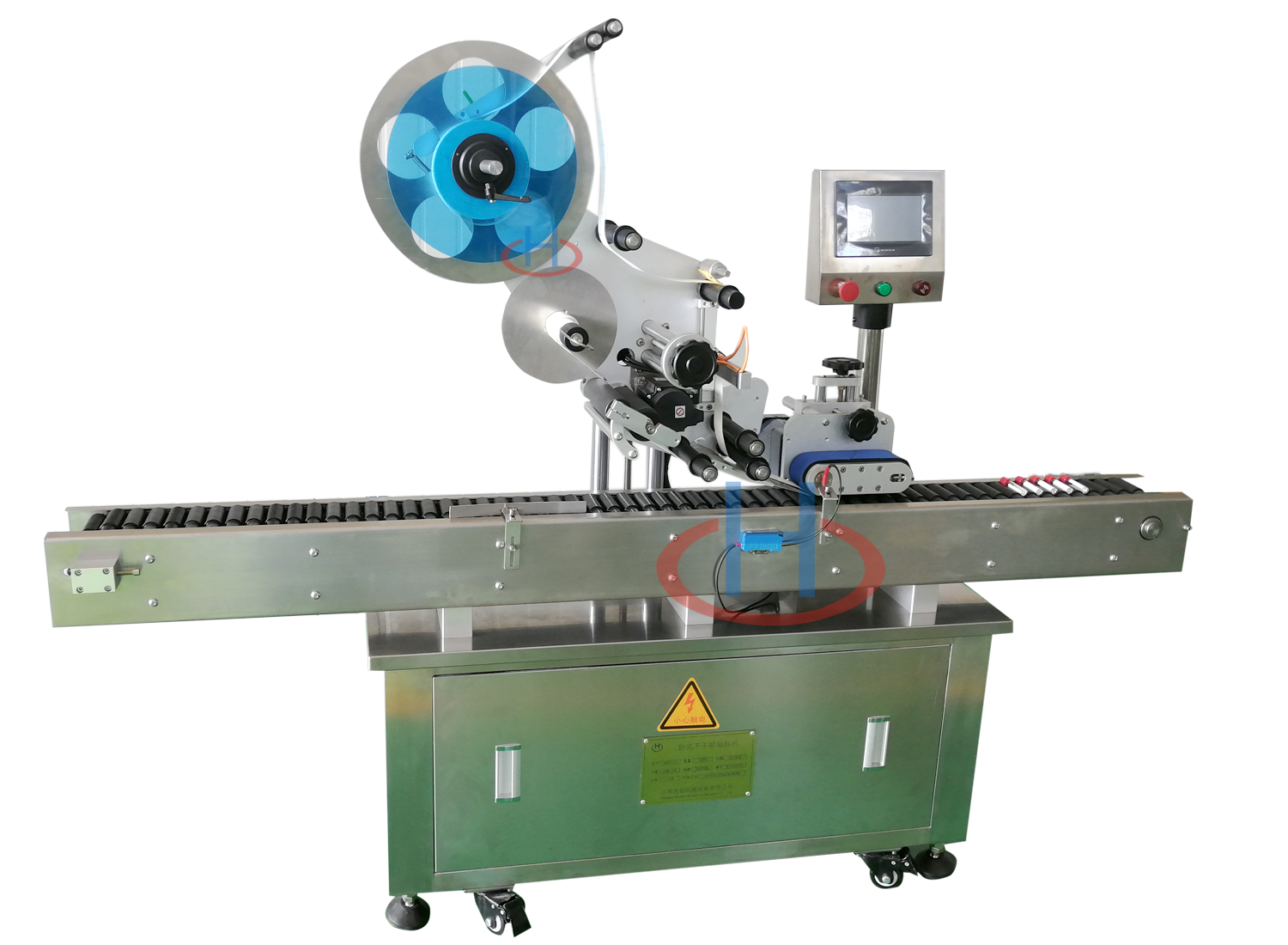
Labeling machines come in various types, each designed to meet specific labeling needs. The most common types include pressure-sensitive labelers, sleeve labelers, and hot melt glue labelers. Pressure-sensitive labelers are versatile and can handle a wide range of label shapes and sizes, making them ideal for industries with diverse product lines. Sleeve labelers, on the other hand, are perfect for full-body labeling, offering 360-degree coverage, which is particularly beneficial for products requiring extensive branding or information. Hot melt glue labelers are efficient for high-speed production lines, providing a secure and durable label application.
Pressure-sensitive labelers are widely used due to their flexibility and ease of use. These machines apply labels using a pressure-sensitive adhesive, which sticks to the product surface without the need for heat or water. They are suitable for labeling a variety of products, including bottles, jars, and boxes. The adaptability of pressure-sensitive labelers makes them a popular choice for industries such as food and beverage, pharmaceuticals, and cosmetics. Additionally, these machines can be easily integrated into existing production lines, enhancing efficiency without significant downtime.
Sleeve labelers are designed for full-body labeling, providing a seamless and aesthetically pleasing appearance. These machines use heat to shrink the label onto the product, ensuring a tight fit. Sleeve labels are ideal for products with irregular shapes or those requiring extensive branding space. Industries such as beverages, dairy, and personal care often utilize sleeve labelers to achieve a high-impact visual presentation. The ability to cover the entire product surface allows for creative and eye-catching designs, enhancing brand recognition and consumer appeal.
Hot melt glue labelers are known for their speed and efficiency, making them suitable for high-volume production environments. These machines apply labels using a hot melt adhesive, which sets quickly and provides a strong bond. This method is particularly effective for products that require a durable label application, such as those exposed to moisture or varying temperatures. Industries like food and beverage, household goods, and chemicals benefit from the reliability and speed of hot melt glue labelers, ensuring consistent labeling even at high production speeds.
Selecting the right labeling machine involves evaluating several key factors, including production speed, label type, product shape, and budget. Understanding these factors will help you make an informed decision that aligns with your business needs and operational goals.
Production speed is a critical consideration when choosing a labeling machine. The machine's speed should match your production line's output to avoid bottlenecks and ensure smooth operations. For high-volume production, machines capable of handling thousands of labels per hour are essential. Conversely, for smaller operations, a slower machine may suffice, providing cost savings without compromising efficiency. Evaluating your current and projected production needs will guide you in selecting a machine that can accommodate your business's growth.
The type and material of the labels you plan to use are also important factors. Different machines are designed to handle specific label materials, such as paper, plastic, or foil. Additionally, the adhesive type—pressure-sensitive, heat-activated, or glue—will influence the machine selection. Understanding the compatibility between the machine and the label material ensures a smooth labeling process and prevents issues such as label tearing or misalignment. Consulting with label suppliers and machine manufacturers can provide valuable insights into the best options for your specific requirements.
The shape and size of the products you need to label will dictate the type of labeling machine you require. For instance, round bottles may require a different machine setup compared to flat or irregularly shaped containers. Some machines are versatile and can handle a range of product shapes, while others are specialized for specific configurations. Assessing your product line's diversity and consulting with machine manufacturers can help you choose a machine that offers the flexibility needed to accommodate various product types.
Budget constraints are a reality for many businesses, making cost-effectiveness a crucial consideration. While it may be tempting to opt for the cheapest option, it's important to consider the long-term value and return on investment. A more expensive machine with advanced features and higher efficiency may offer significant savings in the long run through reduced downtime, lower maintenance costs, and increased productivity. Evaluating the total cost of ownership, including maintenance and operational expenses, will help you make a financially sound decision.
The labeling industry has seen significant technological advancements, enhancing machine capabilities and efficiency. Modern labeling machines are equipped with features such as touch-screen interfaces, automated adjustments, and real-time monitoring, which streamline operations and reduce human error. These advancements not only improve accuracy but also enhance the overall user experience, making it easier for operators to manage and maintain the machines.
Automation plays a pivotal role in modern labeling machines, allowing for seamless integration with existing production lines. Automated systems can adjust label placement, speed, and tension based on product specifications, ensuring consistent quality and reducing the need for manual intervention. Integration with other packaging equipment, such as filling and capping machines, further enhances efficiency, creating a cohesive and streamlined production process. Businesses looking to optimize their operations should consider machines that offer advanced automation and integration capabilities.
Real-time monitoring and data analysis are becoming increasingly important in the labeling industry. Modern machines are equipped with sensors and software that provide insights into machine performance, label accuracy, and production metrics. This data allows operators to identify potential issues before they escalate, minimizing downtime and improving overall efficiency. Additionally, data analysis can inform decision-making, helping businesses optimize their labeling processes and achieve better results.
Choosing the right labeling machine requires careful consideration of various factors, including production speed, label type, product shape, and budget. By understanding the different types of machines available and their applications, businesses can make informed decisions that enhance their packaging operations. Technological advancements have further improved the capabilities of labeling machines, offering automation, integration, and real-time monitoring features that boost efficiency and accuracy. For businesses seeking to improve their labeling processes, exploring the options available and consulting with industry experts is essential. For more insights into labeling machines and their applications, visit our labeling machine section.


