
English 
+86-21-57450120
+86-18221926197
+86-18221926197
No.1418 Zhuangliang Road, Zhuanghang Town, Fengxian District, Shanghai 201415, P.R. China

Views: 0 Author: Site Editor Publish Time: 2026-03-13 Origin: Site


Choosing the right powder filling machine is a crucial decision for businesses involved in the production of powder-based products such as pharmaceuticals, food, and cosmetics. Whether you’re a startup or an established company looking to upgrade your filling machinery, understanding the types, features, and benefits of powder filling machines is essential for achieving high production efficiency, accuracy, and product quality. This guide is designed for beginners to navigate the complex landscape of powder filling machinery, providing you with all the knowledge needed to make an informed decision.
A powder filling machine is a device used to automate the process of filling containers with powdered products. These machines are widely used across industries such as pharmaceuticals, food, chemicals, and cosmetics. The primary function of these machines is to ensure accurate measurement and placement of powders into various containers, including bottles, jars, pouches, and sachets.
The powder filling process involves several critical steps:
Powder Dispensing – Accurate measurement and filling of powder into containers.
Powder Dosing – Ensuring the right quantity of powder is dispensed.
Container Handling – The machine must be able to handle a variety of containers, including those of different sizes and shapes.
Sealing – Many powder filling machines are also integrated with sealing or closing mechanisms.
In essence, the powder filling machine is an integral part of the packaging process for industries that deal with powders, offering both automation and precision.
Powder filling machines come in different configurations to suit varying production needs. Below, we discuss the key types of powder filling machines and the unique benefits of each.
Manual powder filling machines are typically used in small-scale operations. These machines require an operator to fill the containers manually, making them ideal for low-volume production.
Advantages of Manual Machines:
Low initial investment cost.
Suitable for smaller businesses or startups.
Easy to operate and maintain.
Disadvantages:
Labor-intensive.
Slower filling speed compared to automatic machines.
Common Applications: Small businesses or artisanal products that require custom or low-volume production.
Semi-automatic powder filling machines are a step up from manual machines, offering some degree of automation while still requiring operator intervention for specific tasks. These machines are ideal for medium-scale production, where moderate output is needed.
Advantages of Semi-Automatic Machines:
Higher speed and precision compared to manual machines.
Less labor-intensive, but still flexible.
Easy to upgrade from manual to semi-automatic operation.
Common Applications: Small to medium-sized businesses in the food, chemical, or cosmetic industries.
Automatic powder filling machines are fully automated systems designed for high-volume production. These machines can handle continuous filling operations, making them perfect for large-scale manufacturing environments.
Advantages of Automatic Machines:
Maximum production efficiency with minimal labor.
High speed and accuracy, suitable for mass production.
Often equipped with advanced technology for continuous production.
Common Applications: Large manufacturing plants producing large quantities of powdered products such as pharmaceuticals and food products.
Selecting the right powder filling machine is not just about speed or cost; it’s about choosing a machine that suits your specific product, production volume, and quality standards. Here are some essential features to consider when purchasing a powder filling machine.
Filling accuracy is perhaps the most critical feature of any powder filling machine. In industries such as pharmaceuticals and food production, it is imperative that each container is filled with the exact amount of powder to ensure product consistency and compliance with regulations. Accurate powder dosing systems use advanced technologies, such as auger, piston, and volumetric fillers, to ensure precise dispensing.
Filling Accuracy Features to Look For:
Calibration settings for fine-tuning.
Servo-controlled motors for consistent dispensing.
Automated weight checks and adjustments.
The speed of the powder filling machine affects overall production efficiency. Depending on the scale of your business, you will need a machine that fits the right balance between speed and accuracy.
Machine Type | Filling Speed | Suitable for |
Manual | 10-20 containers/min | Small businesses |
Semi-Automatic | 30-50 containers/min | Medium-scale operations |
Automatic | 100-200+ containers/min | Large-scale production |
When considering speed, be sure to assess how it fits into your production workflow and if additional automation (such as packaging or sealing) is required to match the filling machine’s output.
The material used in the construction of your powder filling machine directly impacts its durability, maintenance needs, and hygiene standards. Stainless steel is the most commonly used material in powder filling machines due to its resistance to corrosion, ease of cleaning, and compliance with food-grade and pharmaceutical industry standards.
Key Material Considerations:
Stainless steel for food and pharmaceutical-grade machines.
Food-safe coatings for easier cleaning and maintenance.
Anti-corrosion treatment for machines used in harsh environments (e.g., chemical production).
Powder filling machines should be flexible enough to handle different powder types (fine powders, coarse powders, or powdered granules) and container sizes. Machines with adjustable features allow businesses to customize the filling process to meet product requirements.
Important Customization Options:
Adjustable filler settings for different powder types.
Changeable nozzles and fillers for different container sizes.
Multi-lane capabilities for high-efficiency filling.
Since powder filling machines often deal with powders that can clog and leave residues, it is crucial to select a machine that is easy to clean and maintain. Machines designed with quick-detach components, easy-to-remove parts, and automatic cleaning features (CIP - Clean-In-Place) will save time and reduce downtime.
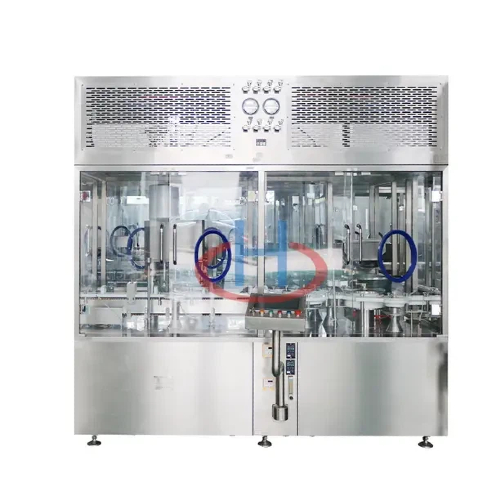
Powder filling machines must meet industry-specific standards and operational demands. Different industries have unique requirements, so choosing the right machine for your sector is critical.
Pharmaceutical companies require powder filling machines that meet strict regulatory standards, such as Good Manufacturing Practices (GMP). Machines must ensure precise dosing and prevent contamination, which is why automatic powder filling machines with advanced control systems are commonly used in this sector.
Key Considerations for Pharma:
Compliance with GMP and FDA regulations.
High-precision dosing to ensure proper dosage.
Machines that prevent contamination.
In the food industry, powder filling machines must adhere to food safety and hygiene standards. These machines need to be easy to clean and capable of handling food-grade powders such as spices, powdered milk, or flour.
Key Considerations for Food:
Food-grade materials like stainless steel.
Easy-to-clean designs to avoid cross-contamination.
Adherence to food safety standards (HACCP).
Powder filling machines used in cosmetics and chemicals need to handle delicate or even hazardous powders. These industries often require machines with explosion-proof systems, specialized nozzles, and sealed systems to ensure safe, accurate filling.
Key Considerations for Cosmetics/Chemicals:
Explosion-proof features for hazardous environments.
Specialized powder handling systems.
Advanced sealing mechanisms for powder containment.
When choosing a powder filling machine, the manufacturer you choose plays a significant role in ensuring the quality, durability, and support of your equipment. Below are important factors to consider when evaluating manufacturers.
Opt for manufacturers that have a proven track record in the industry. Experienced manufacturers often have a variety of machine models, extensive testing processes, and a history of providing reliable machinery.
A good manufacturer offers excellent after-sales support and a solid warranty. Look for companies that provide training, troubleshooting assistance, and fast response times.
Many manufacturers offer customization options that allow you to tailor the machine according to your specific needs. Check whether they provide options like multi-lane filling, specialized nozzles, or integration with other equipment like capping or sealing machines.
Choosing the right powder filling machine is a critical decision that directly impacts your business’s productivity, efficiency, and product quality. By understanding the various types of machines available, along with essential features and industry-specific requirements, you can make an informed decision that aligns with your business objectives. It is important to consider factors such as the material of the machine, adaptability to different powders, speed, and precision when evaluating options.
At Shanghai Haochao Machinery & Equipment Co., Ltd., we specialize in providing high-quality powder filling machines designed to meet the unique needs of your production line. Our machines offer precision, efficiency, and durability, ensuring smooth and consistent filling for a wide range of industries. We pride ourselves on offering excellent customer support, customization options, and reliable after-sales service to help you achieve your production goals.
To find the perfect powder filling solution for your business, we invite you to explore our range of machines and reach out to us for more personalized guidance. Let us help you optimize your filling process and enhance your operational efficiency.
Semi-automatic machines require manual input for certain steps, while automatic machines operate with minimal human intervention and are suitable for high-volume production.
Consider the type of powder you are filling (fine, coarse, or granulated) and whether the machine can handle that specific type. Additionally, ensure the machine accommodates your container sizes and filling accuracy requirements.
Yes, many manufacturers offer customizable options such as adjustable fillers, changeable nozzles, and multi-lane configurations to suit different products and production lines.
Select machines made from stainless steel or food-grade materials. Ensure the machine is easy to clean, with features like quick-detach parts and automatic cleaning systems.
Regular cleaning, calibration checks, and replacing worn-out parts are necessary to keep the machine running smoothly. Follow the manufacturer's maintenance guidelines for best results.


