
English 
+86-21-57450120
+86-18221926197
+86-18221926197
No.1418 Zhuangliang Road, Zhuanghang Town, Fengxian District, Shanghai 201415, P.R. China

Views: 0 Author: Site Editor Publish Time: 2026-03-03 Origin: Site


Powder packaging stability depends on two critical factors: preventing dust from entering equipment and keeping fill weights consistent over time. When either factor is ignored, production accuracy declines and downtime increases. A well-planned Powder Filling Production Line setup focuses on predictable commissioning, structured calibration, and repeatable maintenance routines that ensure stable dosing and clean operation throughout the equipment lifecycle.
Understanding powder behavior is the foundation of successful setup. Flowability determines how material moves through feeding systems, while dustiness influences environmental control requirements. Moisture sensitivity affects storage conditions and hopper design. Identifying these characteristics early allows the production line to be configured for stable feeding and consistent dosing.
Particle size distribution also plays a role. Fine powders may require enhanced dust containment, while coarse materials may need specialized dosing control. Evaluating these properties before installation reduces commissioning adjustments later.
Container design influences filling accuracy and line stability. Neck diameter affects nozzle positioning, while closure type determines sealing requirements. Tight tolerance containers support consistent positioning and reduce reject rates.
Understanding packaging material variations is equally important. Minor differences in container shape or rigidity can impact conveyor performance and labeling accuracy. Aligning packaging specifications with line configuration ensures smoother startup.
Reliable utilities are essential for stable operation. Compressed air quality, electrical stability, and environmental dust control all influence equipment performance. Production areas handling fine powders benefit from controlled airflow and proper extraction systems.
Environmental preparation also includes workspace layout. Adequate spacing supports maintenance access and reduces contamination risk during operation.
Precise mechanical alignment ensures containers move consistently between stations. Improper leveling can create vibration that affects dosing accuracy and equipment wear. Conveyor timing must match filling speed to avoid accumulation or gaps.
Initial setup should focus on smooth material flow rather than maximum speed. Stable baseline operation creates a reliable starting point for later optimization.
Commissioning typically begins with dry runs using empty containers. This verifies container handling and synchronization. Product introduction follows, allowing operators to observe dosing behavior under real conditions. Stability runs then confirm performance across longer production cycles.
This staged approach helps identify issues early, preventing repeated adjustments after full production begins.
Baseline metrics include reject rate, average fill weight, and throughput stability. Recording these values provides reference points for future maintenance and troubleshooting. Consistent baseline documentation simplifies performance evaluation over time.
Calibration ensures dosing accuracy at startup, but powder properties change over time. Density variation, temperature changes, and mechanical wear influence dosing results. Continuous verification ensures accuracy remains within acceptable limits.
Automated checkweighing provides ongoing validation of fill weights. Recording deviation trends allows operators to detect drift early and adjust settings before accuracy declines. Regular review of weight data supports preventive maintenance planning.
Weight variation may result from powder aeration, vibration, screw wear, or inconsistent feeding. Identifying root causes requires systematic monitoring rather than isolated adjustments. Structured verification procedures help maintain long-term consistency.
Dust often escapes through small gaps between transfer points. Regular inspection of seals, gaskets, and connections prevents contamination and protects equipment components. Maintaining sealed pathways supports consistent feeding and reduces cleaning frequency.
Dust collection systems require routine filter inspection and cleaning to maintain efficiency. Blocked filters reduce airflow and increase airborne particles, affecting both safety and equipment performance. Scheduled maintenance ensures dust control systems operate effectively.
Cleaning should be systematic rather than reactive. Removing residue from contact surfaces prevents buildup that can affect dosing accuracy. Consistent cleaning routines also extend equipment lifespan and reduce unexpected downtime.
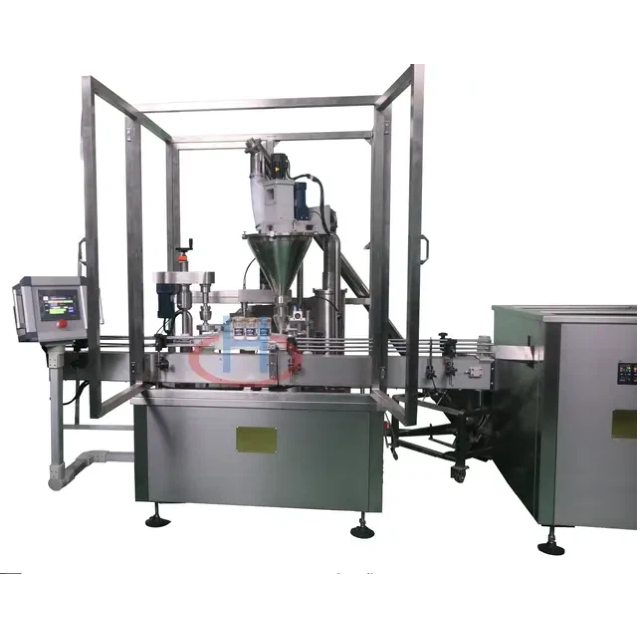
Daily routines include visual inspection, quick cleaning of exposed surfaces, and verification of hopper levels. These checks identify obvious issues before they affect production.
Weekly maintenance focuses on wear parts, sensor alignment, and fastener stability. Inspecting these components prevents minor issues from developing into performance problems.
Longer interval maintenance includes inspection of auger tooling, bearings, gearboxes, and conveying components. Monitoring wear trends supports replacement planning before failures occur.
Maintenance logs create a historical record that supports troubleshooting and performance analysis. Documented routines improve communication between production and engineering teams.
Fill variation often indicates feeding instability, density changes, or calibration drift. Investigating these factors systematically helps restore accuracy.
Powder bridging occurs when material stops flowing evenly. Agitation systems and hopper design adjustments help maintain consistent feeding.
Excessive dust buildup may signal inadequate sealing or insufficient extraction capacity. Addressing these issues improves safety and equipment reliability.
Incorrect rejection may result from vibration, sensor misalignment, or environmental factors. Stabilizing the weighing environment improves accuracy.
Frequency | Task | Why it matters | Quick pass or fail sign |
Per shift | Visual inspection | Detect immediate issues | No visible dust leakage |
Daily | Surface cleaning | Prevent residue buildup | Clean contact parts |
Weekly | Sensor verification | Maintain accuracy | Stable readings |
Monthly | Auger inspection | Prevent dosing drift | Minimal wear signs |
Quarterly | System calibration | Ensure long-term precision | Consistent weight trends |
Scheduled | Filter replacement | Maintain airflow | Normal extraction performance |
This structured checklist ensures maintenance routines remain consistent and repeatable.
Predictable maintenance routines reduce unexpected downtime and stabilize production output. When teams follow standardized procedures, equipment performance becomes more consistent across shifts and operators.
Maintenance planning also improves resource allocation. Scheduled interventions reduce emergency repairs and allow spare parts to be managed efficiently. Stable performance supports accurate production forecasting and supply chain planning.
Structured maintenance contributes to workplace safety. Clean equipment and controlled dust levels reduce operator exposure and create a more reliable working environment.
Maintenance is directly connected to production quality. Accurate dosing depends on mechanical stability, while clean operation supports consistent feeding. When maintenance data is integrated with production metrics, teams gain deeper insight into process behavior.
Data visibility enables predictive maintenance strategies. Performance trends reveal early signs of wear, allowing proactive adjustments that prevent downtime. This approach transforms maintenance from reactive repair into continuous optimization.
A well-maintained powder line delivers consistent quality, predictable throughput, and extended equipment lifespan. Reduced product loss, lower cleaning effort, and improved safety contribute to overall operational efficiency.
Proper setup ensures equipment operates within its designed parameters, minimizing stress on components. Consistent maintenance preserves that stability, supporting long-term reliability and scalability.
Integrated design also simplifies upgrades. When maintenance routines are standardized, adding inspection modules, automation features, or additional packaging stages becomes easier.
Reliable powder packaging performance depends on repeatable setup, continuous verification, and structured maintenance routines. Stability is achieved not through occasional repairs but through consistent inspection and documented procedures. Haochao develops integrated solutions that combine dust control, automated verification, and coordinated workflow design to support dependable production. Manufacturers evaluating long-term performance can consider how a powder packaging system built around predictable maintenance supports accuracy, cleanliness, and scalable growth.
Haochao provides complete powder packaging solutions designed to support accurate dosing, effective dust containment, and long-term operational reliability. Our engineering team works with manufacturers to plan installation, commissioning, and maintenance strategies tailored to material characteristics and production targets. Contact us to discuss your powder application and explore how an integrated production line can support stable performance.
Why is setup critical for a Powder Filling Production Line
Proper setup ensures stable feeding, accurate dosing, and smooth container handling, preventing many production issues before they occur.
How often should a powder filling line be calibrated
Calibration frequency depends on material variability and production volume, but regular verification using checkweighing is essential.
What is the most common cause of powder filling accuracy drift
Density changes, screw wear, vibration, and inconsistent feeding are the most common reasons for weight variation.
How does maintenance improve powder packaging efficiency
Consistent maintenance prevents downtime, maintains dosing accuracy, supports cleanliness, and extends equipment lifespan.


