
English 
+86-21-57450120
+86-18221926197
+86-18221926197
No.1418 Zhuangliang Road, Zhuanghang Town, Fengxian District, Shanghai 201415, P.R. China

Views: 0 Author: Site Editor Publish Time: 2025-11-13 Origin: Site


Have you ever wondered how powdered products are efficiently packaged in bulk? A Powder Filling Machine makes this process seamless and precise.
In this article, we'll explain what a Powder Filling Machine is and how it works. You'll also discover its crucial role in ensuring accuracy and efficiency in industries like food and pharmaceuticals.
A powder filling machine is a type of automated machinery used to fill containers, such as bottles, jars, or pouches, with powders in precise amounts. These machines are commonly employed in various industries for packaging products that come in a dry, powdered form. Depending on the type of powder being handled (e.g., pharmaceuticals, food additives, or cosmetic powders), these machines use different technologies to ensure accurate, hygienic, and high-speed filling.
A powder filling machine is designed to take a bulk powder supply and distribute it into individual containers. The machine ensures that each container is filled with a predetermined amount of product, meeting specific weight or volume requirements. This precision is crucial in industries like pharmaceuticals and food production, where consistency is key.
A powder filling machine typically consists of several components:
Hopper: The container that holds the powder before it's dispensed.
Dosing System: Ensures accurate measurement of powder, using mechanisms like augers, pistons, or vibratory systems.
Filling Nozzles: Dispense the powder into the container.
Conveyor Belt: Moves containers to the filling station and ensures smooth product flow.
Each of these components plays a role in ensuring that the powder is dispensed accurately, without contamination or spillage.
Powder filling machines come in different types, each suited for specific applications:
Manual Powder Filling Machines: Suitable for small-scale production, where operators manually adjust the filling parameters.
Automatic Powder Filling Machines: Fully automated, these machines are designed for high-volume production, offering precision and speed.
Semi-Automatic Machines: These require some manual intervention but automate key aspects of the filling process.
Different technologies are employed depending on the type of powder, the required filling volume, and the speed of the production process.
A typical powder filling process involves several key steps:
Powder Loading: Powder is loaded into the hopper of the filling machine. This step is essential to ensure a continuous supply of powder for the filling operation.
Measuring and Dosing: The dosing system, often an auger or piston, measures the powder and ensures it is dispensed accurately. Auger fillers are common for powders that are free-flowing, while piston fillers are used for powders that are more compacted.
Filling: The measured powder is then dispensed through the filling nozzles into the containers, which are moved along by a conveyor belt.
Sealing and Packaging: Once the containers are filled, they may undergo sealing (e.g., caps or lids) before being sent to packaging for distribution.
This process ensures that each container receives an exact amount of powder, minimizing wastage and improving overall production efficiency.
There are several methods for dosing powder into containers, each chosen based on the type of powder and desired filling accuracy:
Auger Filling: This method uses a rotating screw (auger) to measure and transfer powder. It's ideal for powders that flow freely, like flour or sugar.
Piston Filling: Piston fillers use a piston to push a specific amount of powder from the hopper into the container. This technique is more suitable for powders that are more dense or sticky.
Vacuum Filling: In some cases, a vacuum system is used to draw the powder into the container, ensuring minimal spillage and higher accuracy.
Each method has its own set of advantages and is chosen based on the specific powder's characteristics.
Modern powder filling machines incorporate automated control systems, enhancing their accuracy and speed. These systems typically include:
Sensors: Used to monitor the level of powder in the hopper and ensure consistent dosing.
PLC Systems (Programmable Logic Controllers): These control the machine’s operations, ensuring the process runs smoothly and that each container is filled to the correct amount.
Touchscreen Interfaces: Operators can easily control and adjust settings such as fill volume, speed, and dosing mechanism using user-friendly interfaces.
These automated features contribute to faster production times, fewer errors, and reduced labor costs.
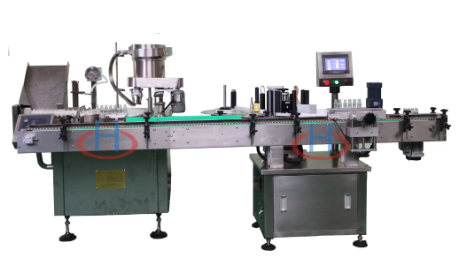
One of the key advantages of using powder filling machines is their ability to significantly enhance production speed and efficiency. Automated systems can fill large numbers of containers in a short amount of time compared to manual filling processes. This boost in efficiency not only increases throughput but also helps businesses scale production in line with growing demand.
For example, while manually filling containers may take several minutes per batch, powder filling machines can fill hundreds of containers in just a few minutes, depending on their capacity. This reduction in processing time allows businesses to meet tight production schedules and demand fluctuations more easily, resulting in higher output and profitability.
Precision is critical in many industries, especially in sectors like pharmaceuticals, food, and chemicals. Powder filling machines are specifically designed to provide consistent and accurate dispensing of powders into containers. This accuracy ensures that each container contains the correct amount of product, which is essential for both product quality and regulatory compliance.
For example, in pharmaceutical applications, deviations in the quantity of active ingredients in each dose could lead to health risks or regulatory non-compliance. In food production, consistency is equally important to ensure each product batch meets quality standards. Powder filling machines are equipped with advanced technologies, such as load cells and sensors, which monitor and adjust dispensing to ensure accurate amounts are filled each time.
Human error is a common issue in manual filling processes, particularly when handling powders that are prone to sticking or clumping. Automated powder filling machines eliminate the risk of human error by maintaining consistency and precision throughout the process. This is crucial in industries where even slight variations in the amount of powder can lead to significant problems, including product recalls, customer complaints, or safety hazards.
By reducing the need for manual intervention, businesses can avoid common errors such as overfilling, underfilling, and contamination. Moreover, with automated systems, operators are freed from tedious and repetitive tasks, enabling them to focus on more critical operations and improving overall productivity.
Powder flow issues are a common challenge in many powder filling systems. Problems like clumping, clogging, and uneven flow can occur when powders are not handled or stored correctly. For instance, moisture can cause powders to clump, which affects the flow rate and can lead to inaccurate fill volumes.
To prevent these issues, ensure that powders are stored in dry conditions and that humidity levels are carefully controlled. Implementing anti-clumping agents can also help maintain the flowability of powders prone to sticking together. Additionally, using powder conditioners can improve the flow properties of difficult powders, ensuring smooth dispensing.
For instance, in industries like pharmaceuticals, where powders must meet stringent quality control standards, using dedicated storage solutions, such as sealed containers or dehumidified storage areas, can greatly reduce the chances of clumping or moisture contamination.
For a powder filling machine to maintain accuracy, regular calibration is essential. Calibration ensures that the machine dispenses the correct amount of powder each time. Failure to calibrate regularly can result in inconsistencies in fill volumes, which can affect product quality and lead to customer complaints or regulatory issues.
Routine maintenance, including checking the dosing system, verifying sensor accuracy, and inspecting moving parts for wear, is crucial to ensure that the machine continues to function properly. Operators should perform calibration checks regularly, particularly when switching between different types of powders, which may have varying flow characteristics.
To further optimize performance, operators should keep detailed records of calibration checks and maintenance schedules to track the machine's performance over time. This helps to detect any potential issues early and ensures that the machine operates at peak efficiency.
Despite regular maintenance, powder filling machines can sometimes experience issues, such as clogged nozzles, inconsistent fill volumes, or mechanical wear. These issues can be prevented or mitigated through proactive maintenance, such as regular cleaning of the machine and checking for wear and tear on moving parts.
When a problem arises, operators should consult the user manual and follow troubleshooting steps to resolve the issue. Common troubleshooting tips include cleaning the nozzles, checking for blockages in the powder feed system, and verifying that all settings are correct.
Replacing worn parts promptly is crucial to avoiding prolonged downtime. For example, worn-out seals or valves can affect the machine's performance, leading to inaccurate filling and potential contamination. Operators should also be trained to identify potential issues before they escalate, which can help minimize downtime and repair costs.
| Issue | Possible Causes | Solutions |
|---|---|---|
| Clumping or Clogging | Excess moisture in powder, improper storage conditions | Store in a dry, controlled environment; use anti-clumping agents |
| Inconsistent Fill Volumes | Inaccurate calibration, faulty sensors | Regular calibration and sensor checks; replace worn parts |
| Powder Sticking to Equipment | Static electricity, improper handling | Use grounded equipment; implement anti-static measures |
Powder filling machines are essential in modern manufacturing. They ensure that powders are dispensed accurately and efficiently. These machines are crucial in industries like pharmaceuticals and food processing, where maintaining production speed, accuracy, and product quality is vital. By understanding the types, mechanisms, and maintenance requirements, businesses can optimize machine performance and reduce costs. Investing in the right powder filling machine can greatly improve efficiency, cut labor costs, and minimize errors. Haochao offers high-quality machines designed for optimal performance.
A: A powder filling machine is a device used to accurately fill containers with powdered substances. It ensures precision in dispensing powders in industries such as food, pharmaceuticals, and cosmetics.
A: A powder filling machine works by loading powder into a hopper, measuring it with a dosing system, and then dispensing the powder into containers with precision. The process can be automated or semi-automated.
A: Powder filling machines can handle a wide range of powders, from fine powders like flour to more granular substances like detergent. The type of filler used depends on the powder's characteristics.


