
English 
+86-21-57450120
+86-18221926197
+86-18221926197
No.1418 Zhuangliang Road, Zhuanghang Town, Fengxian District, Shanghai 201415, P.R. China

Views: 0 Author: Site Editor Publish Time: 2025-11-06 Origin: Site


Filling machines are crucial in many industries, ensuring efficient and consistent packaging. With various types available, choosing the right one is key to optimizing production and product quality. In this article, we'll explore the different types of filling machines and help you understand which machine suits your product's needs.
A filling machine is a critical piece of equipment used across various industries to accurately fill containers with specific amounts of product. These machines vary widely in design and function depending on the product type, the level of precision needed, and the required production speed. They help ensure that the packaging process is efficient, reduces errors, minimizes waste, and maintains consistent product quality. Filling machines are categorized based on the type of product being filled, such as liquids, powders, pastes, and granular products, and each category has its own specific advantages and limitations.
The filling process is essential to ensure consistency, precision, and speed in packaging. It involves several steps, each of which plays a crucial role in achieving optimal results:
Product Intake: This step involves the feeding of the product into the filling machine. Depending on the product type, this could involve using pumps, augers, or conveyors. In the case of liquids, pumps may be used to draw the liquid into the machine; for powders, an auger screw mechanism may be employed to push the powder into the system. Accurate intake ensures that the right amount of product is being processed before it is dispensed into containers.
Filling Action: During this phase, the product is dispensed into containers in a measured, controlled manner. The filling system adjusts the amount of product based on pre-set parameters, such as volume, weight, or pressure. For liquid products, this might be done by volume or weight. For powders, the system might use a weight-based measurement system to ensure that each container receives the correct amount.
Sealing and Capping: After the containers are filled, they undergo sealing and capping to ensure product integrity during storage and transport. This is a crucial step for maintaining the freshness and quality of the product, particularly in industries like food and beverage, where spoilage can occur if containers are not properly sealed.
These processes are integral to achieving high accuracy, minimizing production waste, and maintaining the desired level of product quality.
Liquid filling machines are perhaps the most commonly used machines in packaging due to the wide range of liquid products that need to be filled. They are found in many industries, including food and beverage, pharmaceuticals, and cosmetics. These machines must be versatile, capable of handling various viscosities and different container sizes, and operating at the required production speed.
Volumetric filling machines are designed to dispense a precise volume of liquid into containers. This method is commonly used for products like water, juices, and soft drinks, where the focus is on delivering an accurate amount of liquid. The volume is measured through mechanical or electronic systems that control the amount of liquid dispensed.
Advantages:
High Accuracy: Volumetric filling machines are highly accurate in dispensing the exact volume of liquid, ensuring that each container is consistently filled.
Medium to High-Speed Production: These machines are capable of filling containers at medium to high speeds, making them suitable for fast-paced production lines.
Versatility: Effective for a wide range of liquids, from thin liquids like water to slightly thicker liquids like milk and juice.
Volumetric machines are ideal for products where consistency in volume is key, such as beverages or liquids with a low viscosity.
Overflow filling machines are perfect for handling foaming liquids or liquids with varying viscosities. These machines use a system of nozzles and overflow mechanisms to ensure that the containers are filled to a consistent level, preventing overfills. They are particularly beneficial for products like shampoos, oils, and other foaming or viscous liquids.
Advantages:
Ideal for Viscous or Foaming Liquids: Overflow filling machines excel in handling liquids that foam or have high viscosity, as they maintain an even fill level without spillage.
Consistency Across Various Container Shapes: These machines can maintain a consistent fill level even if the containers vary in shape or size.
Reduced Spillage: The overflow mechanism ensures that excess product is directed away, reducing waste and maintaining a clean filling process.
When working with products that are prone to foaming, such as shampoos or oils, the overflow filling method ensures smooth and efficient filling with minimal foam buildup.
Piston filling machines are ideal for high-viscosity liquids, such as creams, pastes, and sauces. The piston system dispenses a fixed amount of product with each cycle, ensuring that the exact amount is dispensed, regardless of the liquid's thickness.
Advantages:
Highly Accurate for Thick Liquids: These machines are designed for precision, making them ideal for products that have a high viscosity.
Suitable for Heavy-Duty Applications: Piston fillers are commonly used in production lines that handle heavy-duty, high-viscosity products such as sauces, pastes, and creams.
Repeatability: Each filling cycle is identical, ensuring that containers are consistently filled with the exact same amount of product.
For industries that require high precision and consistent product quality, piston filling machines are a must-have.
Powder filling machines are essential for industries that deal with powdered products. These machines are specifically designed to handle materials that can flow unpredictably or settle unevenly, such as spices, flour or pharmaceutical powders. Accurate powder dispensing is essential for maintaining product consistency and packaging integrity.
Auger filling machines use a rotating screw mechanism, or auger, to move powder into the containers. The auger fills the containers based on the weight or volume of the powder, ensuring precise dispensing of even the most delicate powders.
Advantages:
Accurate Powder Dispensing: Auger filling machines are highly accurate, ensuring that the right amount of powder is dispensed into each container.
Versatile: These machines can handle a wide variety of powder types, from fine powders to granular substances.
Suitable for Small and Large Production Runs: Whether you're producing small batches or large quantities, auger filling machines are adaptable to meet your needs.
Auger filling machines are highly recommended for powdery products that require precise measurement, especially those that can clump or settle.
Vibratory filling machines use vibration to settle powder into containers. This method helps in compacting the powder and ensuring a dense fill in containers, which is particularly important for products like instant coffee, baking powder, or other fine powders.
Advantages:
High-Speed Production: Vibratory filling machines can handle high-speed production while maintaining accuracy and minimizing waste.
Consistent Packing: The vibration helps achieve uniform packing of powders, ensuring minimal variation between filled containers.
Ideal for Fine Powders: Vibratory filling is particularly effective for fine powders that need to be densely packed into containers.
For industries that require quick packaging with high-volume demands, vibratory filling machines are a great choice for maintaining both speed and precision.
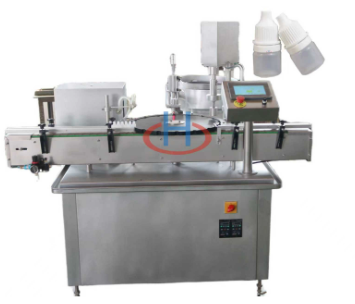
Filling machines for pastes and creams are specially designed to handle thick, viscous substances. These machines are common in the cosmetics, food, and pharmaceutical industries, where products like lotions, creams, and sauces need to be filled accurately.
Positive displacement filling machines use a piston or other mechanical systems to displace a fixed amount of product into the container, ensuring that even thick, viscous substances are accurately dispensed. These machines are ideal for products like creams, gels, and pastes that require high precision.
Advantages:
Precise Filling for High-Viscosity Products: Positive displacement machines ensure that each container receives the exact amount of product, even if it's very thick.
High Repeatability: Once the machine is calibrated, it can fill multiple containers with the same amount of product each time, ensuring consistency.
Suitable for Both Small and Large Containers: These machines are versatile and can fill both small jars and large containers with the same level of accuracy.
Positive displacement filling is the best choice for industries dealing with high-viscosity products, where precision is critical.
Peristaltic filling machines are used for sensitive products, especially in the pharmaceutical and food industries. These machines work by squeezing the product through a flexible tube, preventing contamination and ensuring sterility, which is especially important when dealing with medical or food products that need to remain uncontaminated.
Advantages:
Prevents Contamination: The product is isolated from the machine parts, reducing the risk of contamination.
Ideal for Sensitive Products: These machines are perfect for products that need to maintain their purity, such as pharmaceuticals or sterile liquids.
Suitable for Small and Large-Scale Production: Peristaltic filling machines can be used for both small batches and larger production runs, offering flexibility across production needs.
If you need to maintain strict sterility, such as in the pharmaceutical industry, peristaltic filling machines are a great solution.
Granular filling machines are designed to handle products like rice, seeds, or pellets. These machines can fill containers based on either weight or volume, ensuring that the correct amount of product is dispensed in each package.
Cup filler machines are used to measure granular products by volume using a cup. This is particularly useful for bulk products that require precise volume measurements, such as rice, beans, and seeds.
Advantages:
Reliable and Simple: Cup filler machines are simple to operate and maintain while being reliable in dispensing accurate volumes of granular products.
High-Speed Efficiency: These machines are designed for high-volume production, capable of quickly filling containers with consistent accuracy.
Cost-Effective: Easy to operate, these machines are also cost-effective for businesses producing large quantities of granular goods.
Cup filler machines are ideal for industries that deal with bulk granular products that require accurate volume-based dispensing.
Net weigh filling machines are weight-based systems that measure granular products as they are dispensed. These machines ensure that each container receives the exact weight of product, making them suitable for products like rice, flour, and seeds where weight is more important than volume.
Advantages:
Weight-Based Precision: Provides high accuracy for products that require precise weight measurements.
Efficient for High-Speed Production: These machines can operate at high speeds without compromising accuracy, making them ideal for mass production runs.
Perfect for Smaller Containers: Especially useful when filling smaller containers that require strict weight measurements.
Net weigh filling machines are best suited for products where weight is the most critical factor, such as in the grain or pharmaceutical industries.
Some industries require highly specialized filling machines to meet unique demands. These machines are designed for specific applications or products that need special handling, such as sterile products or high-precision filling.
Aseptic filling machines are crucial for maintaining the sterility of products during the filling process. Used mainly in the food and pharmaceutical industries, these machines ensure that the filling process takes place in a sterile environment, preventing contamination.
Advantages:
Maintains Sterility: Ideal for products requiring a sterile environment, such as dairy products, juices, and medications.
Prevents Contamination: Ensures that products remain uncontaminated during the filling process.
Works for Both Small and Large Production: These machines can handle both small and large production runs, offering flexibility for manufacturers.
When dealing with sensitive products like baby food or injectable medicines, aseptic filling is a must for maintaining product safety and quality.
Vacuum filling machines are used when products need to be filled under vacuum conditions to prevent foaming or to ensure a tight seal. These machines are typically used in the food and beverage industries, particularly for products like oils, sauces, and carbonated beverages.
Advantages:
Prevents Foaming: Ideal for foamy liquids, ensuring that products are filled without excessive air or foam.
Ensures Tight Seals: By removing air from containers, vacuum filling machines help ensure a tight seal, which is crucial for preserving the freshness and safety of the product.
Perfect for High-Viscosity Liquids: Works well for liquids with a thicker consistency that require careful handling.
Choosing the right filling machine depends on various factors, and it's important to consider the following when making a decision:
Product Type: What is the nature of the product you are filling? Different machines are designed for liquids, powders, pastes, or granular materials.
Production Speed: How quickly does the production line need to operate? The speed of the filling machine should match your production requirements.
Precision: Does your product require a high degree of accuracy in the filling process? For example, weight-based filling might be necessary for granular products, whereas volume-based filling is more suited for liquids.
Cost Efficiency: Consider both the initial investment and the ongoing costs of maintenance, as well as the machine's efficiency in reducing waste and improving throughput.
It's always wise to consult with a filling machine expert to determine the best machine for your product, ensuring you strike the right balance between cost and efficiency.
Choosing the right filling machine is a critical decision that can impact the efficiency and quality of your production process. By understanding the different types of filling machines—whether for liquids, powders, pastes, or granular products—you can make an informed choice that best suits your product's needs and production goals. Whether you need high precision, high-speed production, or specialized filling conditions, there's a filling machine tailored to meet your requirements. Always consider consulting with an expert to optimize your production line. Haochao provides a range of reliable and efficient filling machines designed to enhance production efficiency and product quality.
A: The main types of filling machines include volumetric, overflow, and piston filling machines for liquids, as well as auger and vibratory fillers for powders. Each type is designed for specific product needs, such as viscosity or particle size.
A: A filling machine dispenses specific amounts of product into containers, based on volume, weight, or other measurement systems. It ensures consistent filling and minimizes waste during production.
A: Types of filling machines for liquids include volumetric, overflow, and piston filling machines. Each type is tailored for different liquid viscosities and filling accuracy.


