
English 
+86-21-57450120
+86-18221926197
+86-18221926197
No.1418 Zhuangliang Road, Zhuanghang Town, Fengxian District, Shanghai 201415, P.R. China

Views: 0 Author: Site Editor Publish Time: 2025-11-12 Origin: Site


Filling machines play a crucial role in industries like packaging and food production. Proper maintenance can extend their life and ensure consistent performance. In this guide, we'll discuss key strategies to maintain your filling machine for long-term success. You'll learn how to optimize its efficiency, reduce downtime, and keep it running smoothly.
Maintaining your filling machine's cleanliness is paramount to ensuring optimal performance and longevity. The accumulation of product residues, oils, and dust can obstruct the smooth operation of mechanical components, leading to inefficiency and potential contamination of the product. A consistent cleaning schedule is vital for preventing these issues and preserving the machine's integrity.
After each production run, it is essential to thoroughly clean all external and accessible parts of the machine. This includes filling nozzles, conveyor belts, and any surface that comes into direct contact with the product. Cleaning should be done using non-corrosive cleaning agents, which are designed specifically for the material of your machine. A detailed checklist can be created to ensure consistency and thoroughness in the cleaning process.
For industries such as food and pharmaceuticals, sanitization is not just recommended—it's required by law to ensure safety and hygiene. Sanitizing your machine helps prevent the growth of bacteria or mold, which could compromise product safety and quality. Depending on your industry, sanitization standards will vary, so it is crucial to follow these specific guidelines closely. Typically, this involves using approved sanitizing agents and maintaining proper temperatures to kill harmful microorganisms.
While daily cleaning tackles visible residues, deep cleaning focuses on the internal components of the machine that are often harder to reach. Key areas to focus on during a deep clean include pumps, valves, and internal chambers. Over time, product residue can build up in these areas, leading to clogging and efficiency loss. Scheduling a deep cleaning every few months is crucial to ensure no part of the machine is neglected.
Lubrication plays a crucial role in the smooth operation of a filling machine. Without adequate lubrication, moving parts will experience friction, leading to premature wear and potential mechanical failure. Proper lubrication not only prevents damage but also reduces energy consumption, as friction forces the machine to work harder.
It is essential to use the correct type of lubricant for your specific machine and industry. For food or pharmaceutical applications, food-grade lubricants are required to prevent contamination. These lubricants are formulated to meet strict industry standards, ensuring no harmful chemicals mix with the products. On the other hand, industrial machines might use heavier-duty lubricants that are designed for long-term use and can withstand higher temperatures.
Machines vary in their lubrication needs, but it is generally recommended to lubricate the machine at least once a week. In high-volume operations, lubrication might be needed more frequently. Regular checks for signs of lubricant contamination or leakage should also be part of the routine. Additionally, ensure that lubricants are kept free from dust and particles that could contaminate the system. Invest in automated lubrication systems that can apply the right amount of lubricant to each part at the correct intervals.
Contaminants such as dust, debris, and product residue are inevitable, but they need to be actively managed to prevent clogging, uneven filling, or malfunctioning parts. The build-up of these contaminants can cause significant operational issues, including inaccurate filling, product waste, or even damage to machine components.
Routine inspections of filters, air vents, and other filtration systems are necessary to ensure they are free from blockages. Regular cleaning of these parts is crucial to ensure proper airflow and minimize the chance of product contamination.
Example Cleaning Protocol:
Clean air filters weekly to ensure dust does not clog the intake vents, which could reduce airflow and cooling efficiency.
Clean residue catchers on conveyor belts after each run.
Dust extractors or residue catchers can prevent the accumulation of product particles, which can clog pipes and vents. Incorporating these systems into your filling machine setup ensures that dust and other debris are removed during the filling process, keeping your machine in peak working condition.
Example of Residue Management:
Use high-efficiency dust collectors for powder-based products to catch airborne particles.
Place residue trays underneath nozzles to catch any excess product.
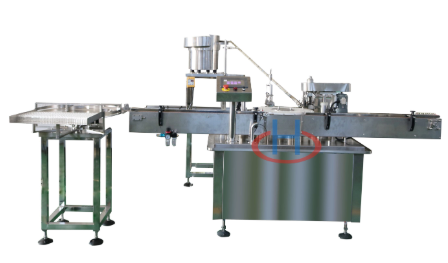
Scheduled maintenance is one of the most cost-effective methods for ensuring the long-term performance of your filling machine. By performing regular checks, you can detect minor issues before they escalate into costly repairs or major breakdowns. Proactive maintenance significantly reduces the risk of unplanned downtime, which can disrupt production schedules and affect product quality.
Develop a comprehensive maintenance schedule that details daily, monthly, and annual checks. This helps operators stay organized and ensures that no aspect of the machine's functionality is neglected.
Daily Checks: Includes visual inspections for leaks, verifying lubrication levels, and checking the overall functionality of safety switches.
Monthly Checks: Inspect mechanical and electrical components, clean internal chambers, and adjust settings such as filling speeds to optimize performance.
Annual Maintenance: A full inspection and thorough cleaning are necessary to check pumps, valves, and other critical components for wear and tear.
Specialized tools can enhance the accuracy and effectiveness of your maintenance routine. Using proper instruments to monitor pressure, temperature, and component wear can prevent costly damage and improve machine longevity.
Regularly checking the pressure of air or liquid systems using pressure gauges ensures that the machine is operating within its designed pressure range. Any deviation from the standard pressure could signal issues with pumps or seals, which should be addressed promptly.
Use calipers and micrometers to measure the wear and tear of components that require precise dimensions, such as seals, gaskets, and filling nozzles. These tools help identify when components need to be replaced before they fail.
Use thermometers to check the temperature of the machine and product. Overheating can lead to damage to critical parts like motors or pumps. Monitoring temperature ensures that the machine operates within safe limits.
Identifying potential issues early can save you significant time, money, and prevent unexpected machine failures. Early detection is critical in preventing downtime, optimizing operational efficiency, and avoiding costly repairs. Keeping a close eye on warning signs and symptoms ensures smooth operations and maximizes the lifespan of your filling machine.
Inconsistent filling is one of the most common signs of malfunction in filling machines. It may appear as fluctuations in the volume of product dispensed, with containers being filled either too much or too little. This can be caused by several factors, most notably sensor malfunctions or miscalibration. When the sensors used to measure the volume of the product are inaccurate or malfunctioning, they can result in uneven fills. Another common cause could be issues with the filling valve or piston. If these components are damaged or clogged, they can lead to inconsistent dispensing.
What to Do:
Recalibrate sensors regularly: Establish a routine to recalibrate sensors based on manufacturer recommendations to ensure the accuracy of the filling.
Check and clean valves and pistons: Regularly inspect the filling valves and pistons for wear and debris. If necessary, replace or clean them.
Ensure consistency in product supply: Monitor the product's characteristics to ensure consistent viscosity and flow rates, particularly for liquids or thick pastes.
To prevent further problems, consider using automated calibration systems that can detect slight changes in volume and automatically adjust the filling process, improving consistency.
Excessive or unusual noise from a filling machine can be an early warning sign of mechanical problems. Noises like grinding, scraping, or whirring can indicate that critical parts, such as gears, bearings, or motors, are wearing out or becoming misaligned. When these components start to malfunction, they can cause additional wear and strain on other parts of the machine, ultimately leading to more significant failures.
What to Do:
Inspect mechanical components: Regularly inspect the gears, bearings, and other moving parts for signs of wear or misalignment. Tighten any loose components and replace worn-out parts.
Lubricate moving parts: Ensure proper lubrication is applied to all moving parts to reduce friction and prevent unnecessary wear.
Perform vibration analysis: Use vibration monitoring tools to detect excessive vibrations, which often indicate misalignment or imbalance in the machine components.
Set up an automated noise detection system to alert operators when the machine produces noises beyond a certain threshold, making it easier to identify problems early.
Leaks around nozzles, valves, or seals are one of the most common and concerning issues in filling machines. Leaks can occur for various reasons, such as worn-out seals, cracks in nozzles, or improperly sealed connections. A leak not only results in the wastage of the product but can also lead to contamination, which can affect the quality of the finished product. Leaking products, especially liquid or viscous substances, can cause significant downtime as operators work to identify and fix the source of the leak. Additionally, persistent leaks can result in damage to other machine components due to exposure to product or cleaning solutions.
What to Do:
Inspect and replace seals regularly: Check seals and gaskets for wear and tear, and replace them as needed to prevent leaks. Using high-quality seals designed for your specific product type can reduce the risk of leaks.
Tighten and inspect connections: Check connections between nozzles, valves, and pipes for any signs of looseness or cracking. Tighten connections as necessary and replace any cracked components.
Use leak detection systems: Implement automated leak detection systems that can quickly identify leaks and alert operators in real-time. These systems can minimize product waste and reduce downtime by ensuring that leaks are fixed before they escalate.
To prevent leaks from becoming a major issue, integrate pressure monitoring systems to detect any irregularities in the system’s pressure, which can often indicate potential leak points.
Maintaining a filling machine for long-term performance requires a structured maintenance plan, regular checks, and timely interventions. By investing in preventive maintenance and following best practices for lubrication, cleaning, and troubleshooting, you can reduce downtime and extend the life of your machine.
By following these guidelines, you can optimize your filling machine's performance, ultimately reducing costs and increasing productivity. For high-quality filling machines, Haochao offers exceptional products designed to provide long-term value. With a focus on reliability and performance, Haochao's machines are engineered to maximize efficiency in various industrial settings.
A: Regular cleaning, lubrication, and periodic inspections are essential for maintaining a filling machine. Use a filling machine maintenance checklist to ensure you don't miss key tasks.
A: It depends on usage, but general maintenance should be done weekly, with deeper inspections and cleaning every month. Following a regular maintenance schedule reduces downtime and extends machine life.
A: A filling machine maintenance checklist ensures that all necessary tasks are completed on time. It helps keep the machine running efficiently, preventing potential issues and costly repairs.


