
English 
+86-21-57450120
+86-18221926197
+86-18221926197
No.1418 Zhuangliang Road, Zhuanghang Town, Fengxian District, Shanghai 201415, P.R. China

Views: 0 Author: Site Editor Publish Time: 2025-10-23 Origin: Site


Keeping your liquid filling machine spotless is not just about appearance—it’s about ensuring hygiene, product consistency, regulatory compliance, and long-term reliability. For industries such as beverage, chemical, or pharmaceutical production, improper cleaning can cause contamination, machine downtime, and even costly recalls. At Shanghai Haochao Machinery & Equipment Co., Ltd., our filling systems are designed with precision flow control, anti-drip nozzles, and fully CIP/SIP-ready construction, making cleaning faster and more effective. This article walks you through everything you need to know about cleaning, from quick daily wipes to deep sterilization procedures, helping you keep your production line running smoothly and efficiently.
Regular cleaning of a liquid filling system prevents contamination, protects your product’s integrity, and ensures compliance with food and pharmaceutical safety standards. Residues from previous batches—whether oil, syrup, or chemical—can compromise the next fill, affect product flavor, or lead to microbial growth. More importantly, keeping your equipment clean extends its lifespan, reduces maintenance costs, and preserves the high accuracy and speed that Shanghai Haochao’s machines are known for. A clean machine is not only a safe machine but also a productive one.
Consistent cleaning also supports brand reliability. Customers in food, beverage, and pharmaceutical industries expect strict hygiene control, and failing to meet those expectations can have severe consequences. A well-structured cleaning routine demonstrates operational professionalism and commitment to quality assurance—key factors that distinguish successful manufacturers from competitors.
Before any cleaning operation begins, safety should always come first. Start by disconnecting the machine from its power source and following lockout/tagout procedures to prevent accidental activation. Depressurize the filling lines and drain any residual liquid from tanks or pipes.
Personal protective equipment (PPE) is essential: wear gloves, safety goggles, and protective clothing to safeguard against hot water, steam, or chemical cleaners. Always consult the Safety Data Sheets (SDS) for the cleaning agents used, and make sure the workspace is well-ventilated.
If your system includes automatic CIP or SIP functions, ensure that valves, pumps, and heaters are functioning properly before starting the cycle. Proper preparation guarantees both worker safety and effective cleaning performance. Remember, neglecting these steps can not only endanger operators but also compromise the cleaning cycle itself, leading to wasted time and chemical costs.
Daily cleaning keeps your liquid filling machine in top condition and prevents residues from building up in nozzles, valves, or hoses. This is especially crucial when running multiple shifts or working with sticky or high-viscosity products.
Daily Cleaning Checklist:
Wipe all exterior surfaces and product-contact areas with warm water and a mild detergent.
Flush product lines and nozzles with clean water until no visible residue remains.
Check strainers, filters, and drip trays; remove and clean them if necessary.
Inspect filling nozzles for clogging or buildup and clean with a soft brush.
Dry all components with compressed air or lint-free cloths before restarting production.
In addition to these tasks, operators should monitor for small leaks or pressure inconsistencies during daily cleaning. These signs often indicate worn seals or loose fittings that can be corrected before escalating into major repairs. These small daily efforts prevent more significant issues later, saving time and money while keeping your machine ready for high-speed operation.
When switching between products—especially those of different viscosities or chemical compositions—a more thorough cleaning is required. This “changeover cleaning” prevents cross-contamination and ensures that your next product maintains its intended quality and flavor.
Disassemble all removable parts, including filling heads, nozzles, hoses, and tanks. Rinse each part under warm running water to remove loose residues. Then, apply a suitable cleaning solution depending on the type of product previously filled.
For sugary or viscous liquids such as syrups, sauces, or cosmetic gels, warm water combined with enzymatic detergents is effective. Soak components for several minutes to dissolve sugar residues and prevent microbial growth. After soaking, rinse thoroughly with clean water, then sanitize using a food-grade disinfectant before reassembly.
Oily liquids, lubricants, or essential oils require solvent-compatible cleaning agents. Choose a mild alkaline detergent that can break down oils without damaging seals or gaskets. Check all rubber and plastic components for compatibility—using the wrong solvent can cause swelling or cracks. After cleaning, rinse completely and dry all parts before resuming production.
Shanghai Haochao’s liquid filling machines are built with FDA-approved materials that resist corrosion and chemical damage, ensuring compatibility with a wide range of cleaning agents. This versatility allows one machine to handle diverse product types safely without risking contamination or mechanical wear.
For operations that demand high sanitation—like beverages, dairy, or pharmaceuticals—CIP and SIP systems are indispensable. These automated processes clean and sterilize the internal surfaces of your filling equipment without requiring disassembly.
CIP Process Overview:
Pre-rinse: Circulate warm water through the system to remove loose debris and product remnants.
Caustic Wash: Pump a diluted alkaline solution (commonly sodium hydroxide) at controlled temperature and flow to dissolve fats and proteins.
Intermediate Rinse: Flush with clean water to eliminate detergent residues.
Acid Rinse (if required): Use a mild acid to remove mineral deposits or scaling.
Final Rinse: Circulate sterile or deionized water until all traces of chemicals are gone.
CIP systems rely on temperature, turbulence, and contact time to achieve optimal cleaning. Monitoring these parameters ensures thorough sanitation.
SIP (Sterilize-in-Place) follows cleaning by introducing pressurized steam through the same circuits. This method kills any remaining microorganisms and is vital for sterile or aseptic production environments. Shanghai Haochao’s liquid filling machines come fully CIP/SIP-ready, reducing cleaning time and minimizing manual intervention.
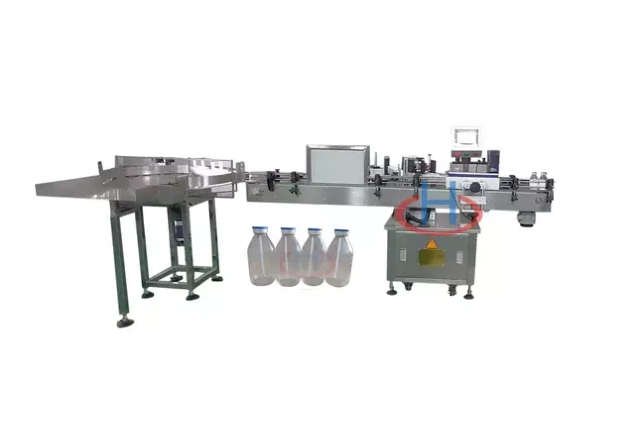
Even with regular maintenance, deep cleaning should be scheduled periodically—typically weekly or monthly—depending on production volume and product type. A deep clean, or “filler reset,” involves complete system disassembly and inspection.
Deep Cleaning Steps:
Remove and soak all product-contact components in an approved cleaning solution.
Mechanically scrub hard-to-reach parts like valve seats, pump chambers, and nozzle interiors.
Clean external frames, conveyor systems, and hoppers.
Inspect each part for wear, cracks, or discoloration before reassembly.
Trained technicians or qualified service personnel should handle deep cleaning to avoid improper reassembly or damage to precision components. Some facilities also partner with professional cleaning service providers for periodic deep sanitization, especially for pharmaceutical-grade production lines.
Deep cleaning not only restores full hygiene but also helps recalibrate filling accuracy and detect hidden wear that daily cleaning might miss. Scheduling it strategically during planned downtime ensures minimal disruption to production output.
Cleaning provides an excellent opportunity for inspection and preventive maintenance. Components exposed to liquids—seals, gaskets, and pumps—wear over time and can affect filling accuracy.
Monthly Maintenance Checklist:
Inspect all seals, gaskets, and O-rings for cracks or deformation. Replace if worn.
Check the pump heads for wear or corrosion.
Inspect nozzle orifices for clogging and ensure proper alignment.
Replace filters and strainers on a scheduled basis.
Lubricate mechanical moving parts with food-grade lubricants as required.
Verify that sensors and filling heads operate without leaks or irregular flow.
By combining cleaning with inspection, you can detect early signs of wear, preventing unplanned downtime and extending equipment life. This proactive approach ensures every production run remains efficient and reliable.
Even with a solid cleaning plan, some problems can persist. Recognizing and solving them quickly helps maintain operational efficiency.
Common Problems and Solutions:
Persistent odors or contamination: Check hidden areas such as valve cavities or gaskets that may harbor residues. A hot water flush or enzymatic cleaner usually resolves this.
Residue in hoses or nozzles: Increase flow rate during flushing or add a mild mechanical action (like a soft brush). Consider upgrading to anti-drip or self-draining nozzles.
Inconsistent cleaning results: Review temperature, concentration, and contact time of cleaning agents; ensure pumps and spray balls are functioning correctly.
Record-keeping issues: Maintain detailed cleaning logs for each cycle—this supports traceability during regulatory audits and ensures accountability across shifts.
Cleanliness verification tools such as ATP swabs or pH tests can also help confirm cleaning effectiveness before restarting production. These simple tests help prevent contamination events that could otherwise go unnoticed.
Shanghai Haochao Machinery & Equipment Co., Ltd. designs each liquid filling system with cleaning efficiency at its core. Our machines are built with smooth, sanitary welds and minimal dead-leg design, preventing product accumulation and microbial growth. Quick-release nozzles and tool-free disassembly allow operators to clean parts in minutes.
For high-volume or aseptic operations, integrated CIP/SIP ports automate the entire cleaning and sterilization cycle, ensuring complete hygiene without dismantling. All wetted components are made from FDA-approved stainless steel and chemical-resistant seals, making them safe for food, beverage, cosmetic, and pharmaceutical applications.
Our advanced flow control and anti-drip technology further simplify cleanup by preventing product waste and residue buildup during operation. By choosing our filling machines, you reduce downtime, maintain product purity, and ensure that every batch meets your quality standards.
Regular, thorough cleaning is the cornerstone of reliable, safe, and high-quality liquid production. A well-maintained filling system not only protects your brand reputation but also enhances productivity and equipment longevity. Shanghai Haochao Machinery & Equipment Co., Ltd. provides advanced filling systems with CIP/SIP-ready designs and FDA-approved materials to simplify maintenance and ensure consistent hygiene.
To learn more about tailored cleaning protocols and maintenance schedules for your liquid filling systems, contact us today — our team will help you develop a cleaning SOP that matches your product’s unique requirements.


